
....Electra 33 / Psyche..Electra 33 / Psique....
....Electra 33 / Psyche..Electra 33 / Psique....
....
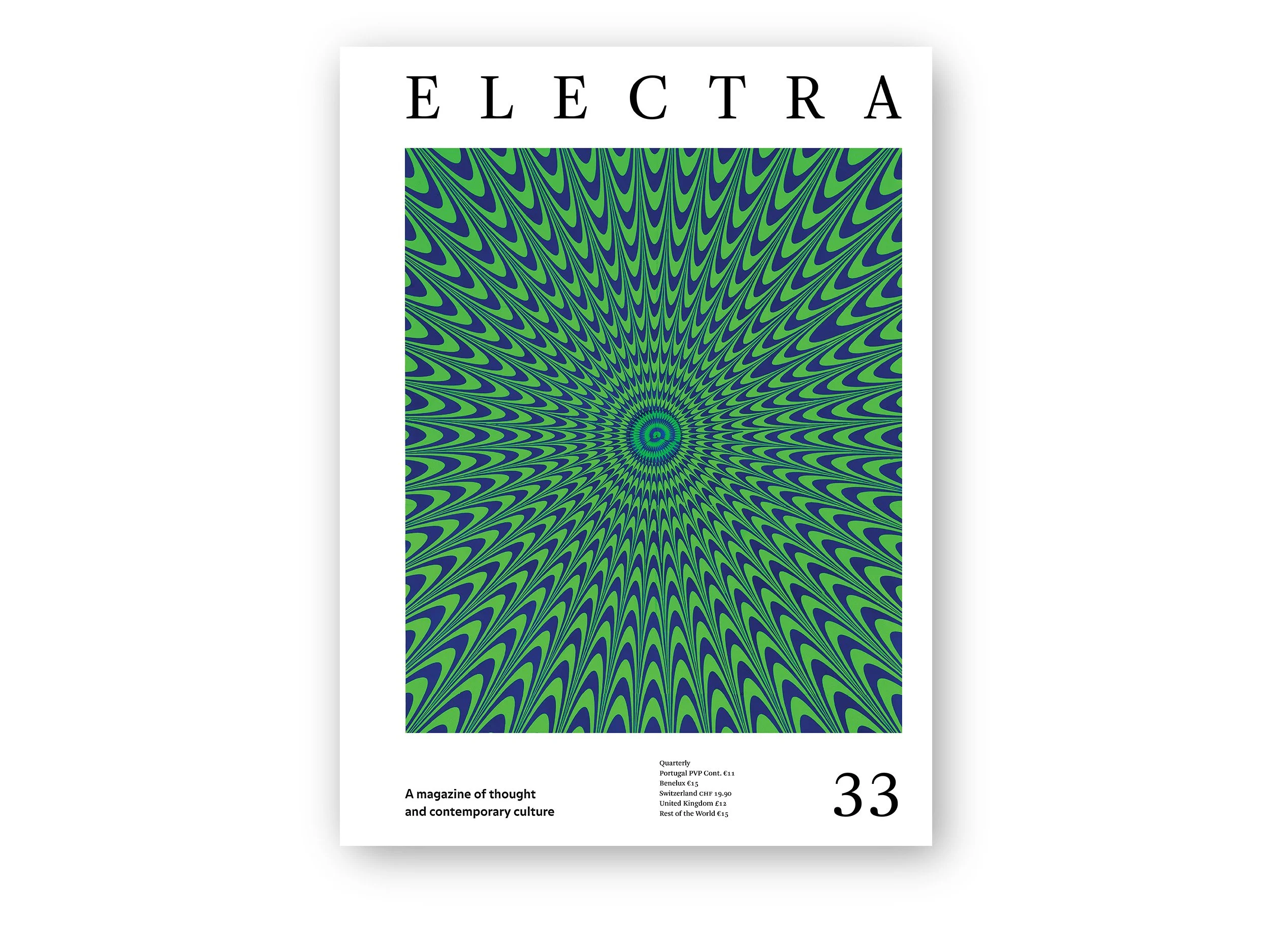
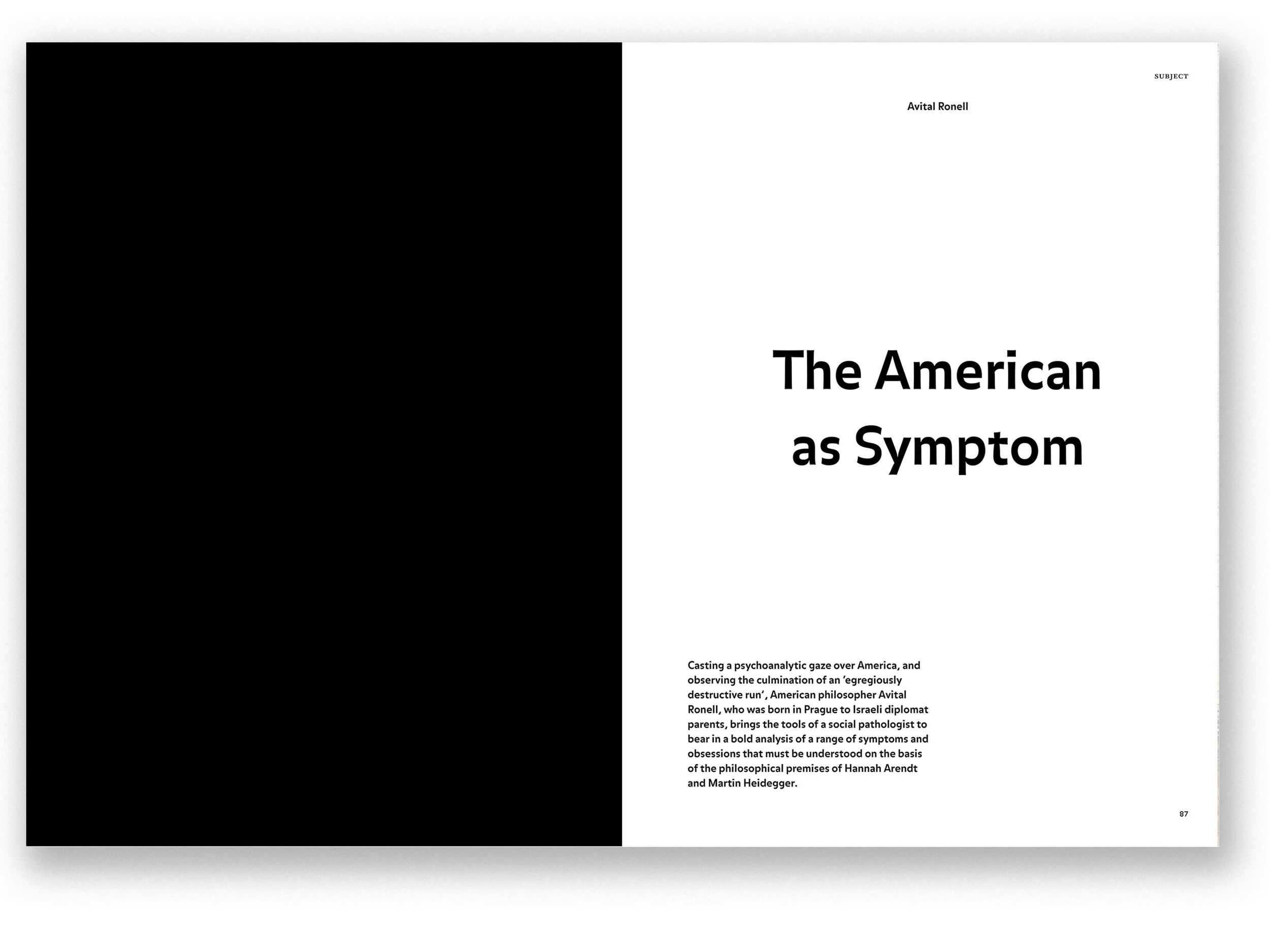
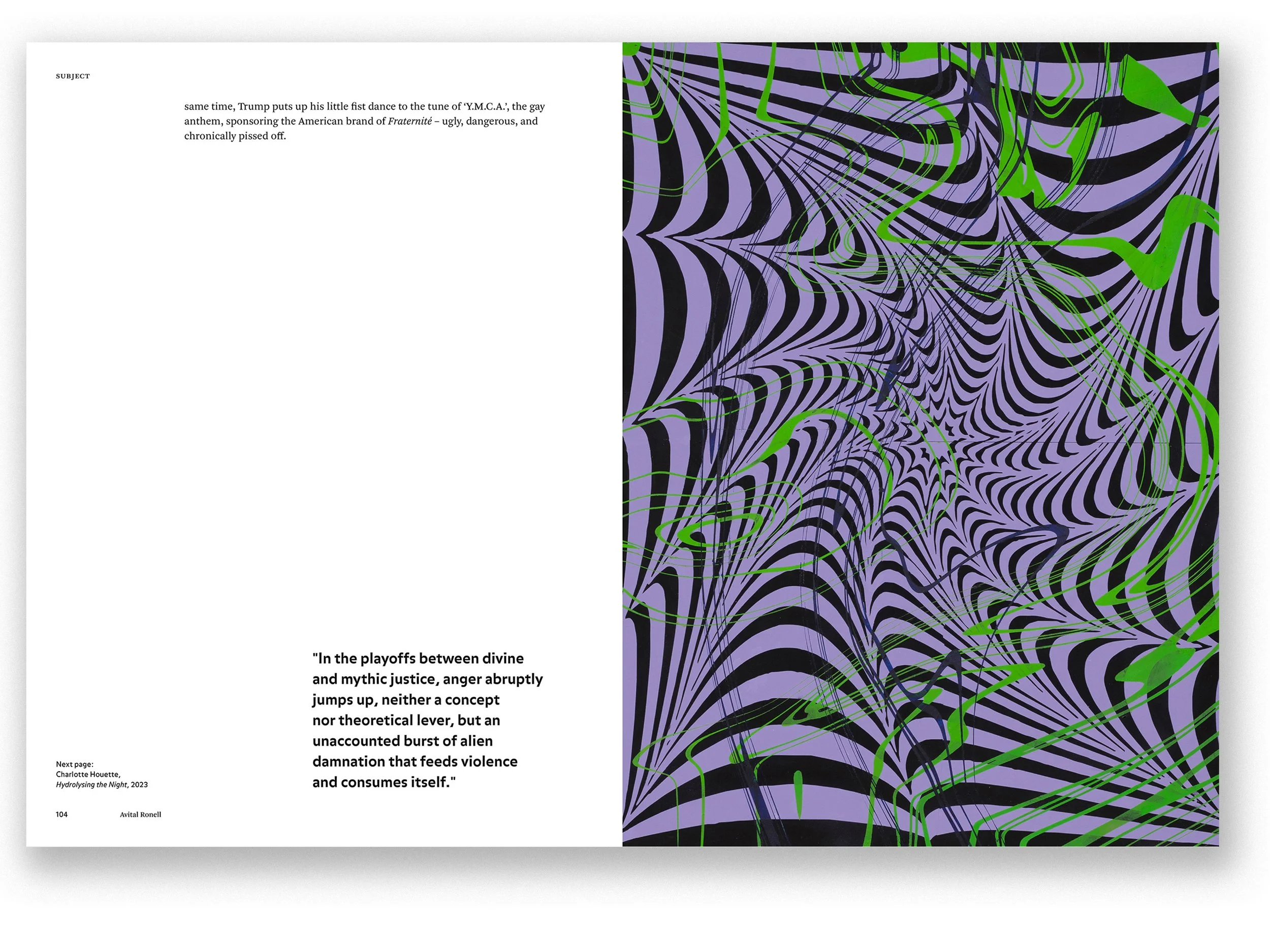
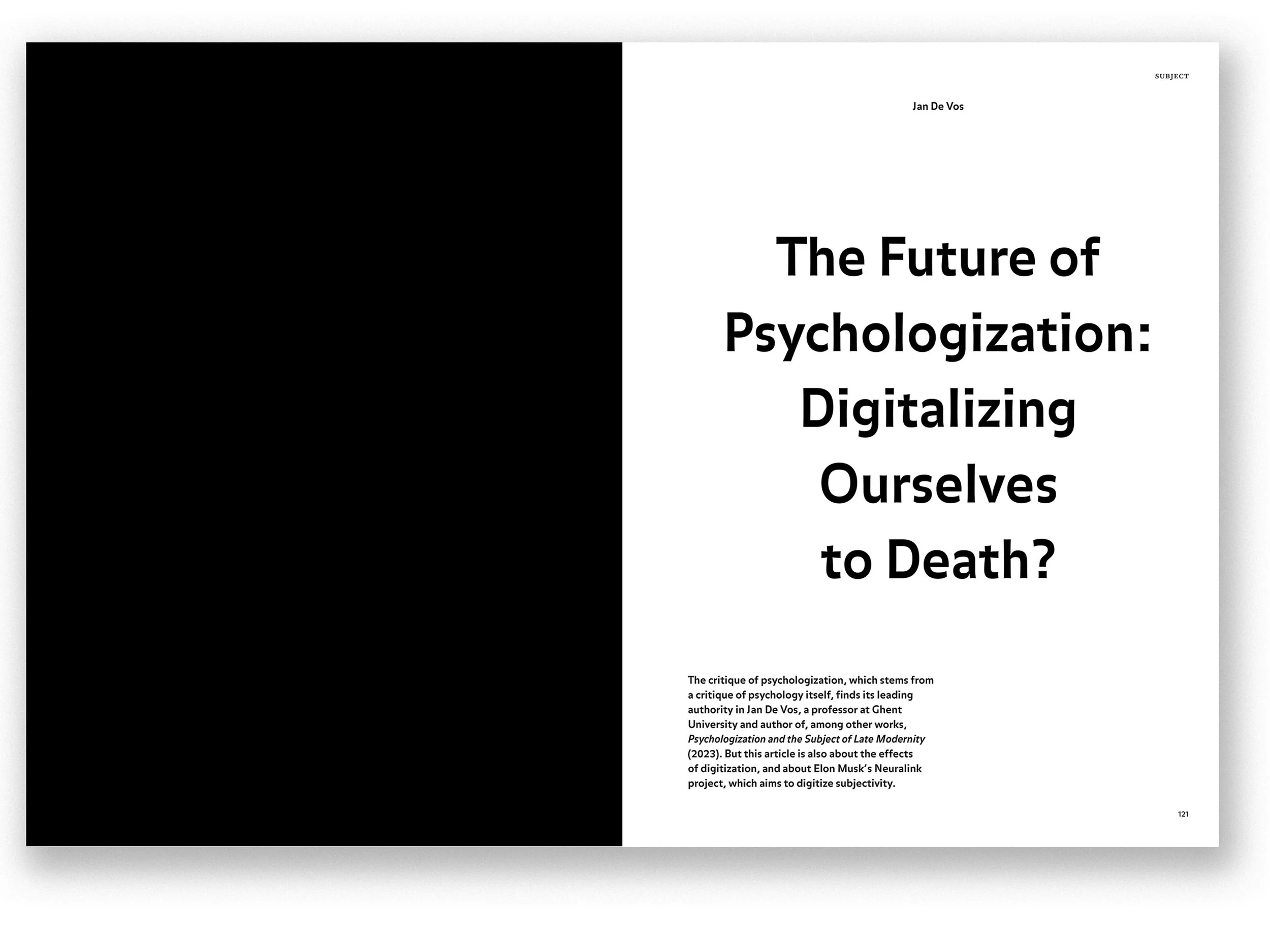
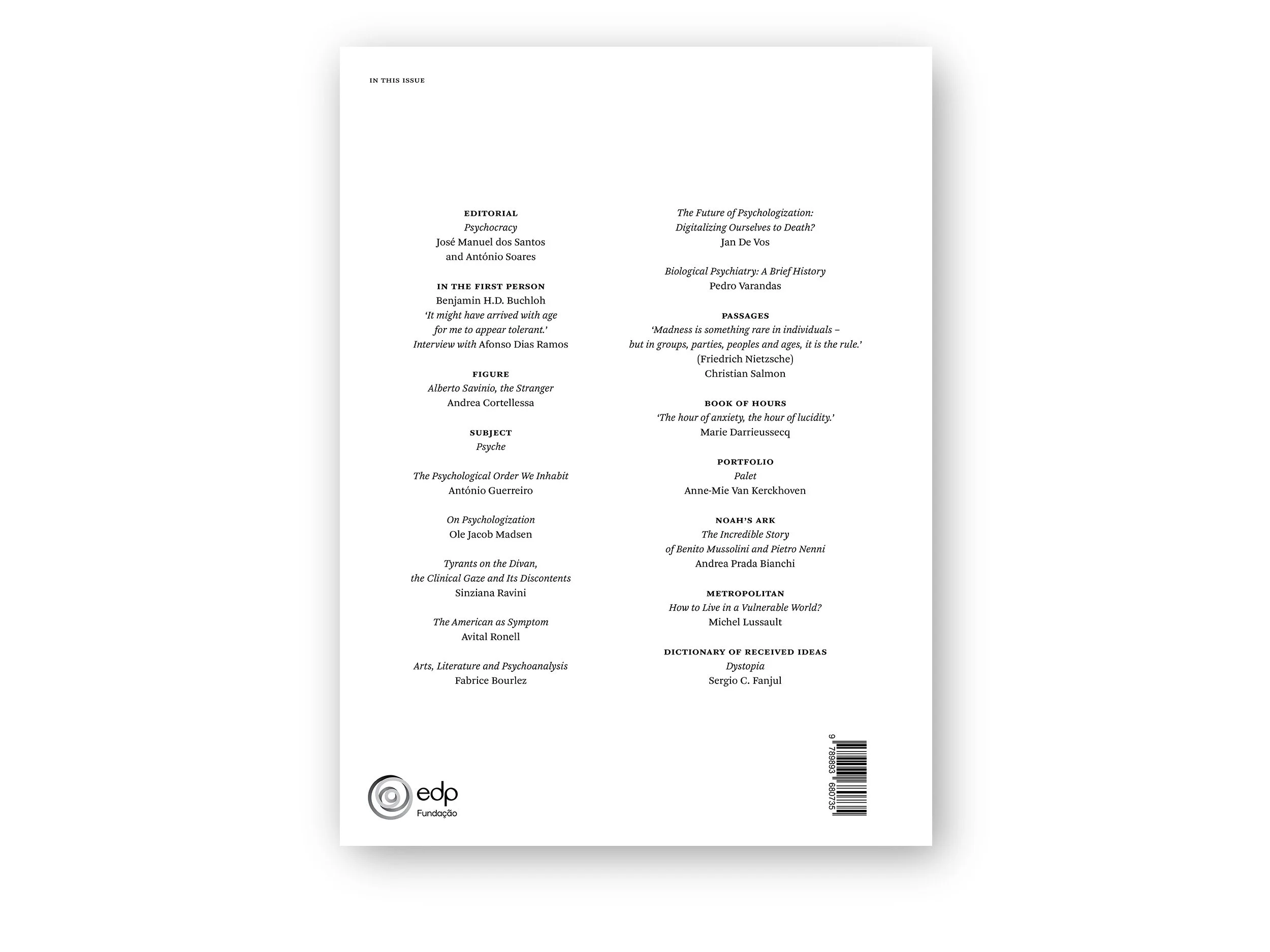
Electra devotes the special feature of issue 33 to the theme of ‘Psyche’, examining the psychologisation of the world and contemporary life. At a time when the language of psychology has permeated politics, society and everyday life, we all seem to be becoming both subjects and objects of analysis. From the sociology of emotions and therapeutic culture to the diagnosis of new authoritarian figures and the digital construction of the subject, the dossier section reveals how this psychologisation is inseparable from global commodification, with profound effects on society, politics, the economy and culture. Drawing on different perspectives and contributions from various authors, including Avital Ronell, Ole Jacob Madsen, Sinziana Ravini, Fabrice Bourlez, Jan de Vos and Pedro Varandas, this dossier analyses and interprets this fundamental symptom of the era in which we live.
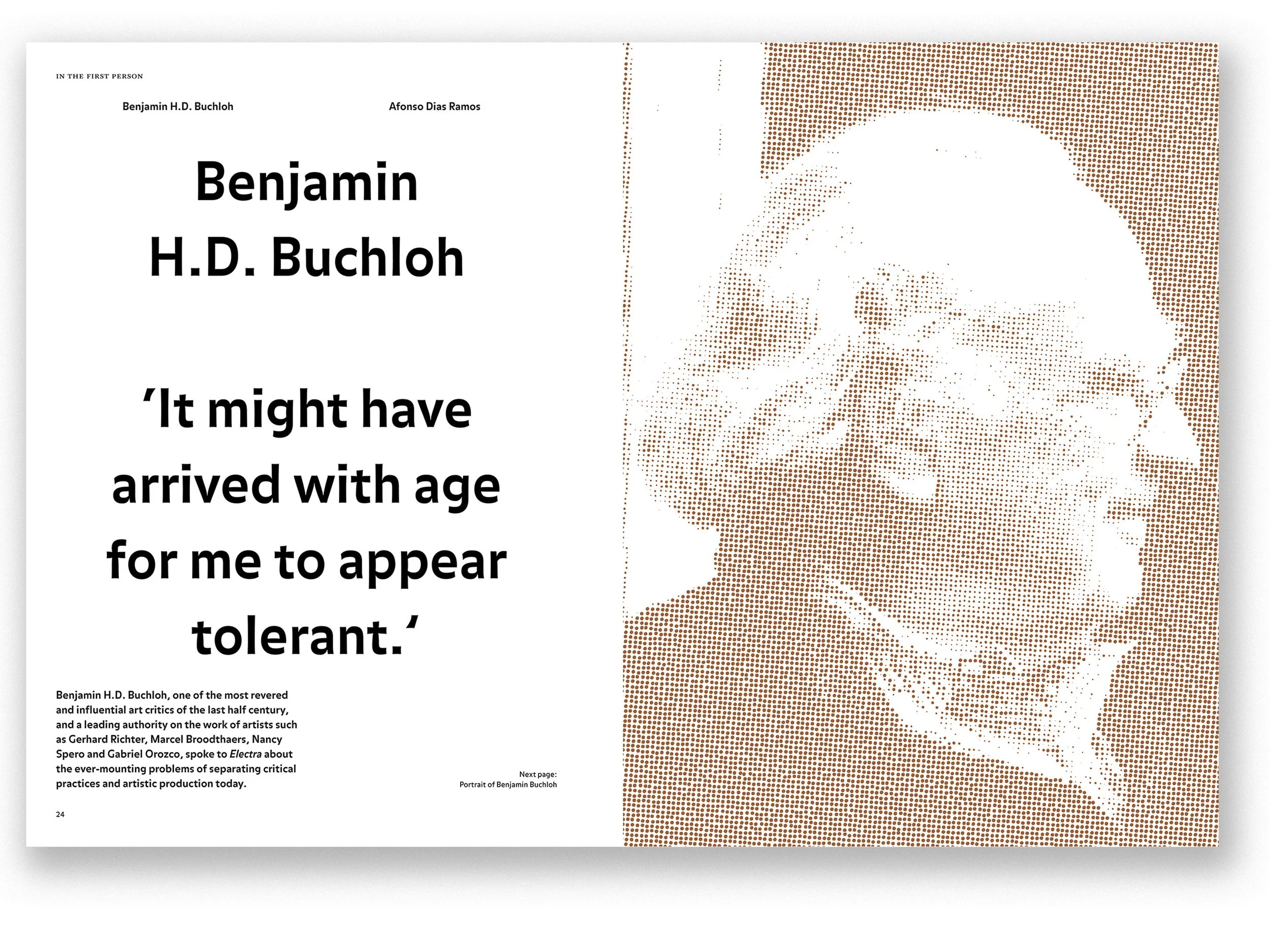
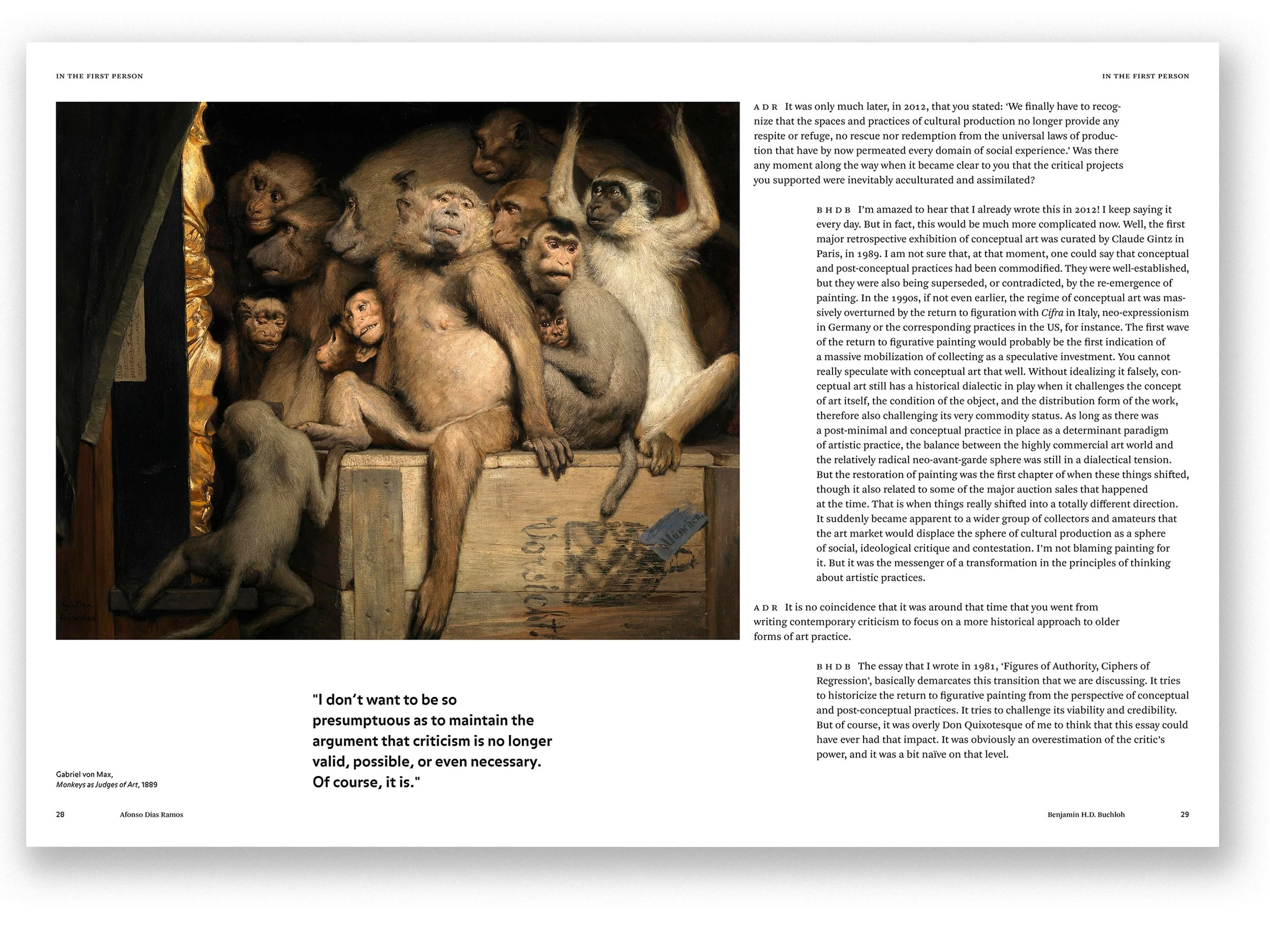
Benjamin H. D. Buchloh, one of the most respected art critics of the last half-century and a leading authority on the work of artists such as Gerhard Richter, Marcel Broodthaers and Nancy Spero, speaks to Afonso Dias Ramos about the growing problems arising from a divide between critical practice and artistic production.
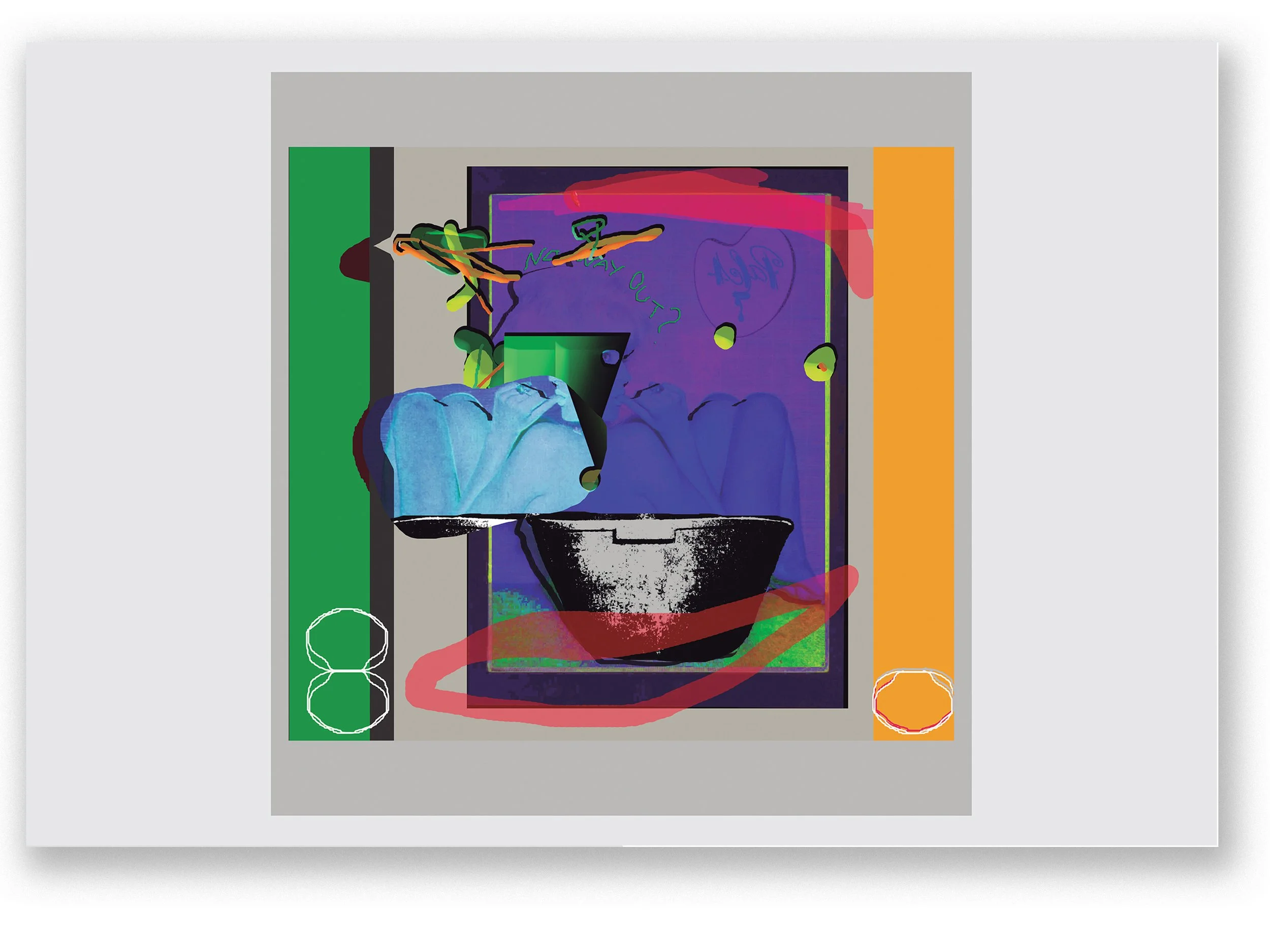
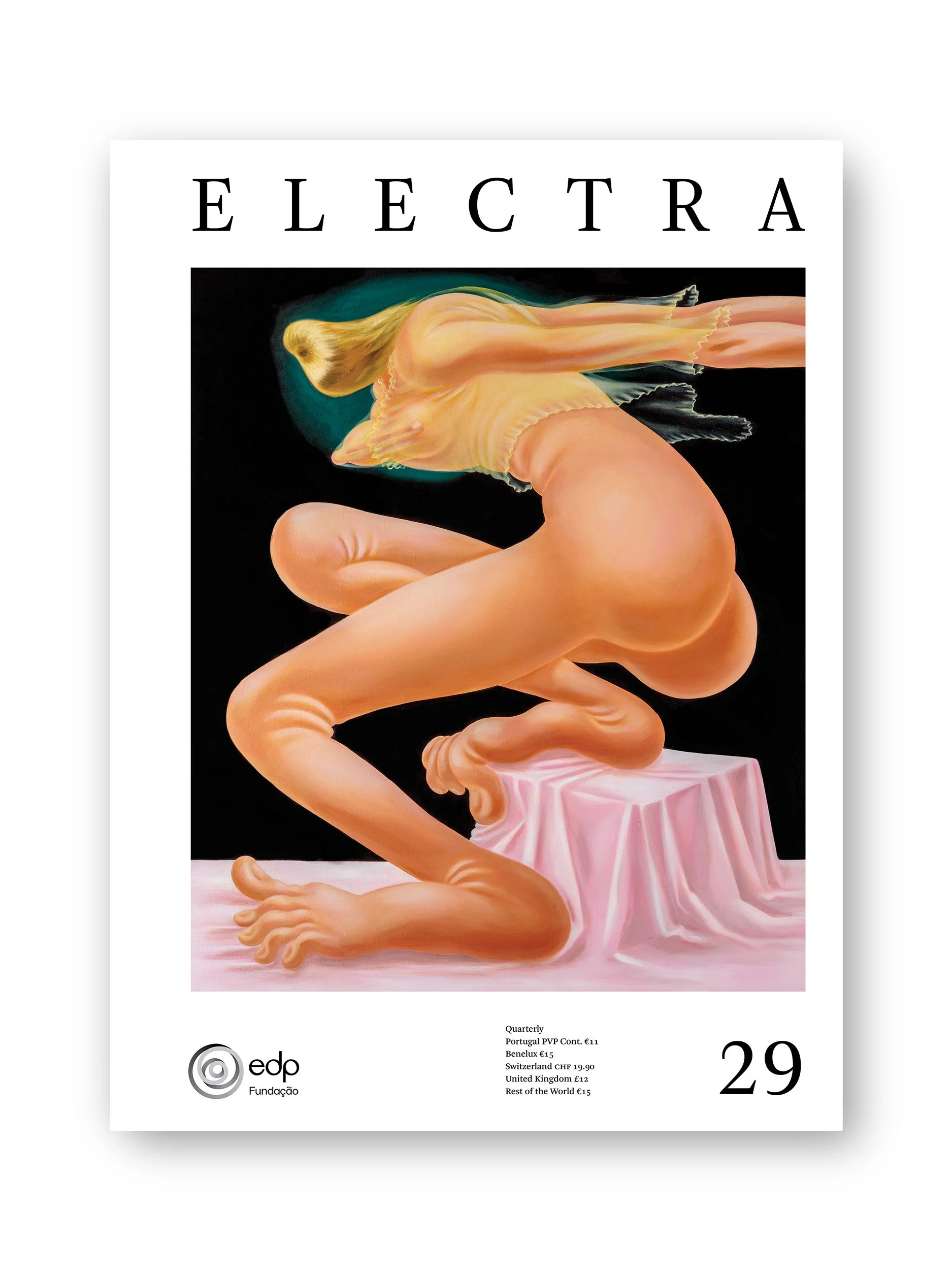
This issue’s portfolio section is by Anne-Mie Van Kerckhoven. It presents a representative series of her work, which explores the fundamental and thought-provoking relationship between eroticism and technology from a female perspective. This relationship is inseparable from the broader critical and innovative reflection that this Belgian artist has developed on art, science, politics, society, image and communication.
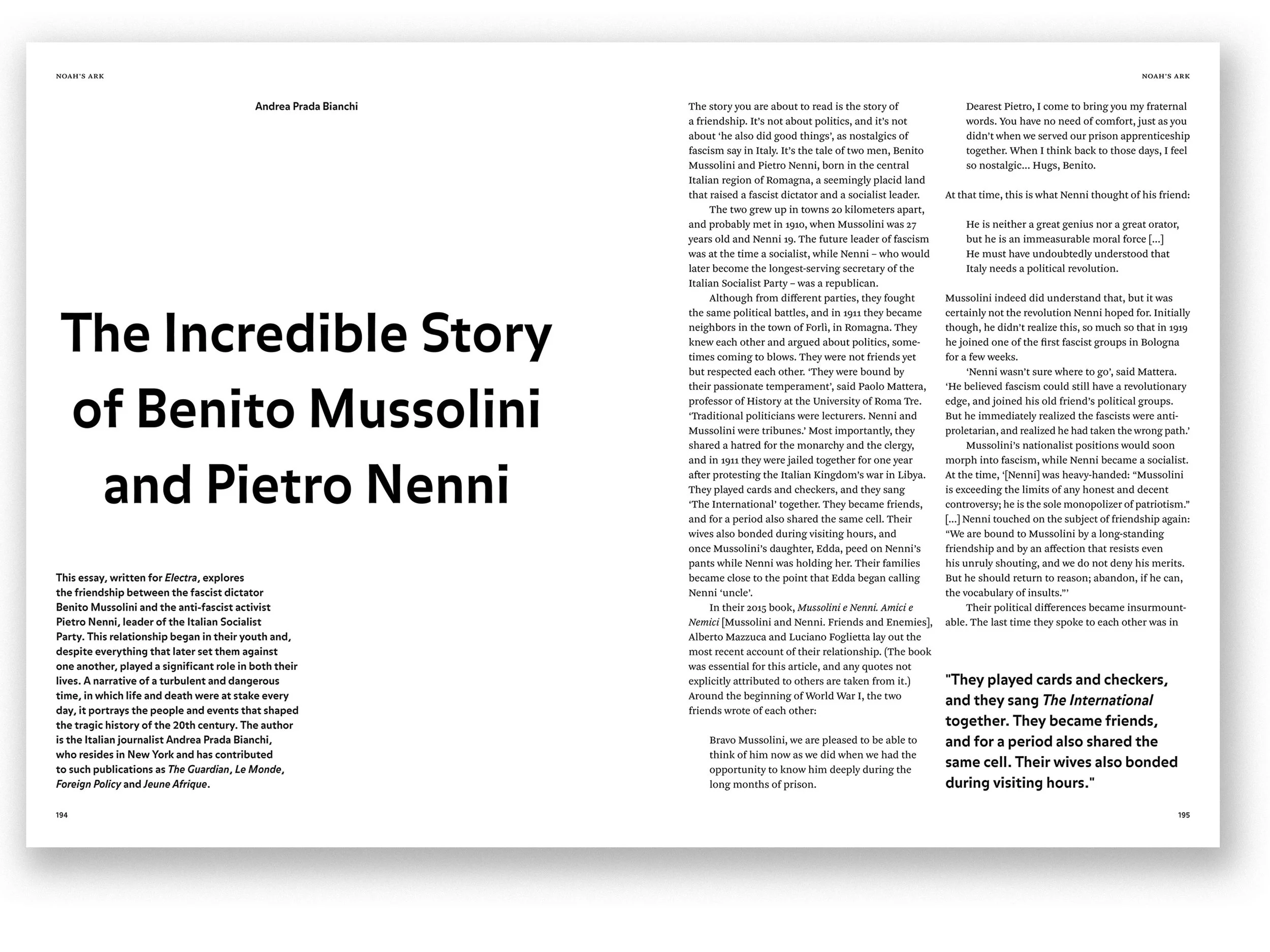
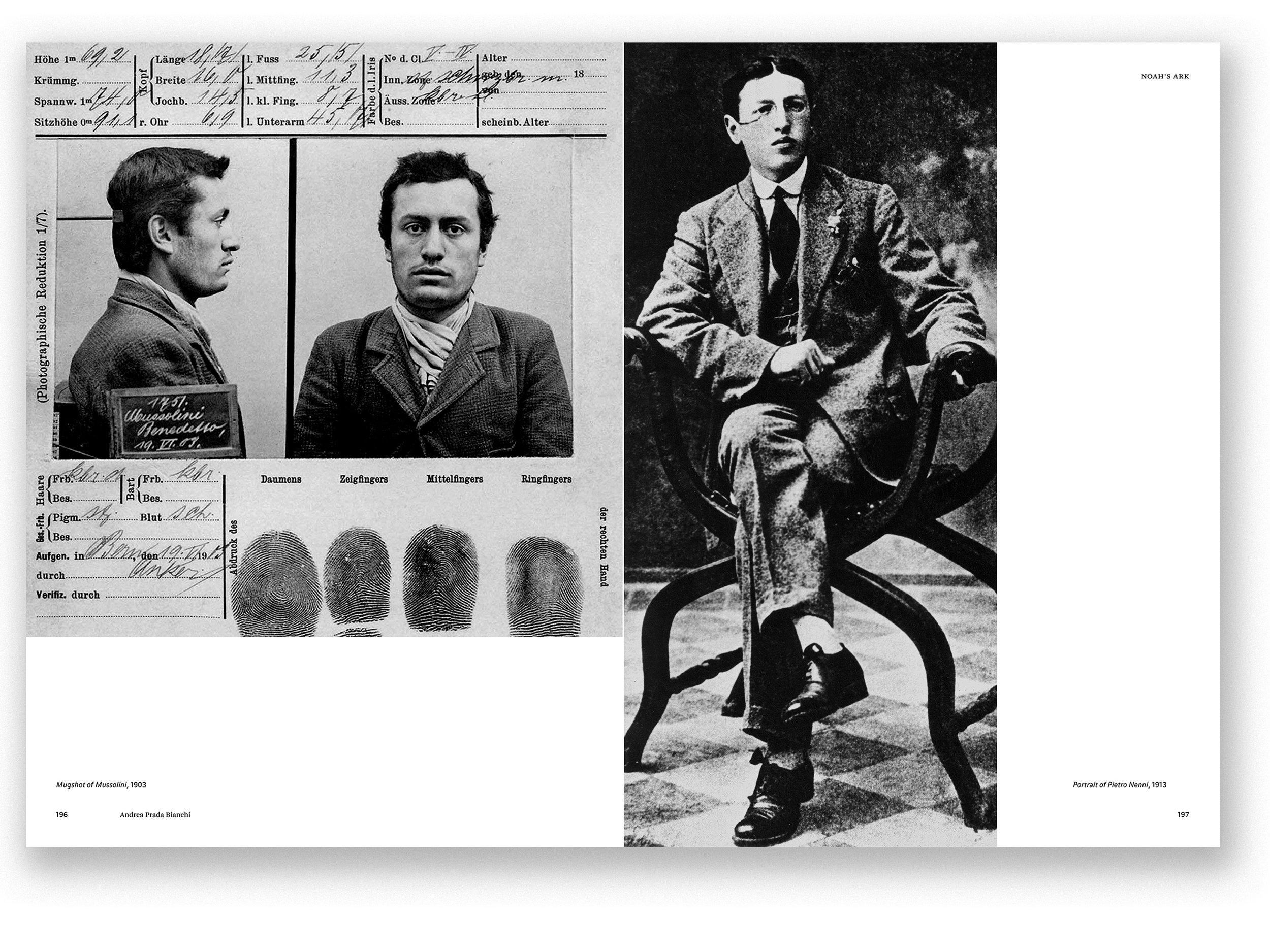
In the ‘Noah’s Ark’ section, an essay by journalist Andrea Prada Bianchi sheds light on the friendship between fascist dictator Benito Mussolini and anti-fascist resistance fighter Pietro Nenni, leader of the Italian Socialist Party. A narrative of a turbulent and dangerous time, in which life and death were at stake every day, it portrays people and events that shaped the tragic history of the 20th century.
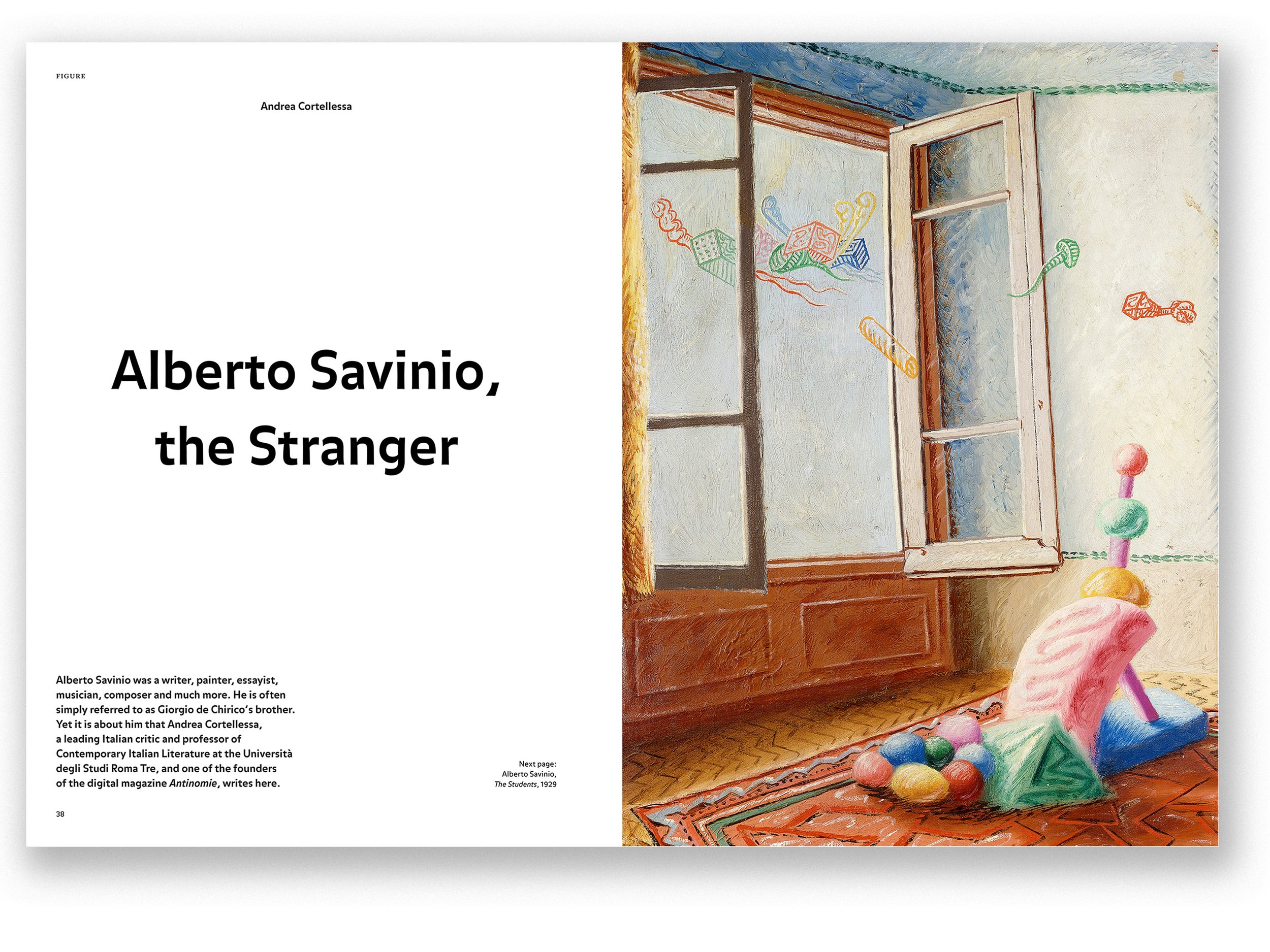
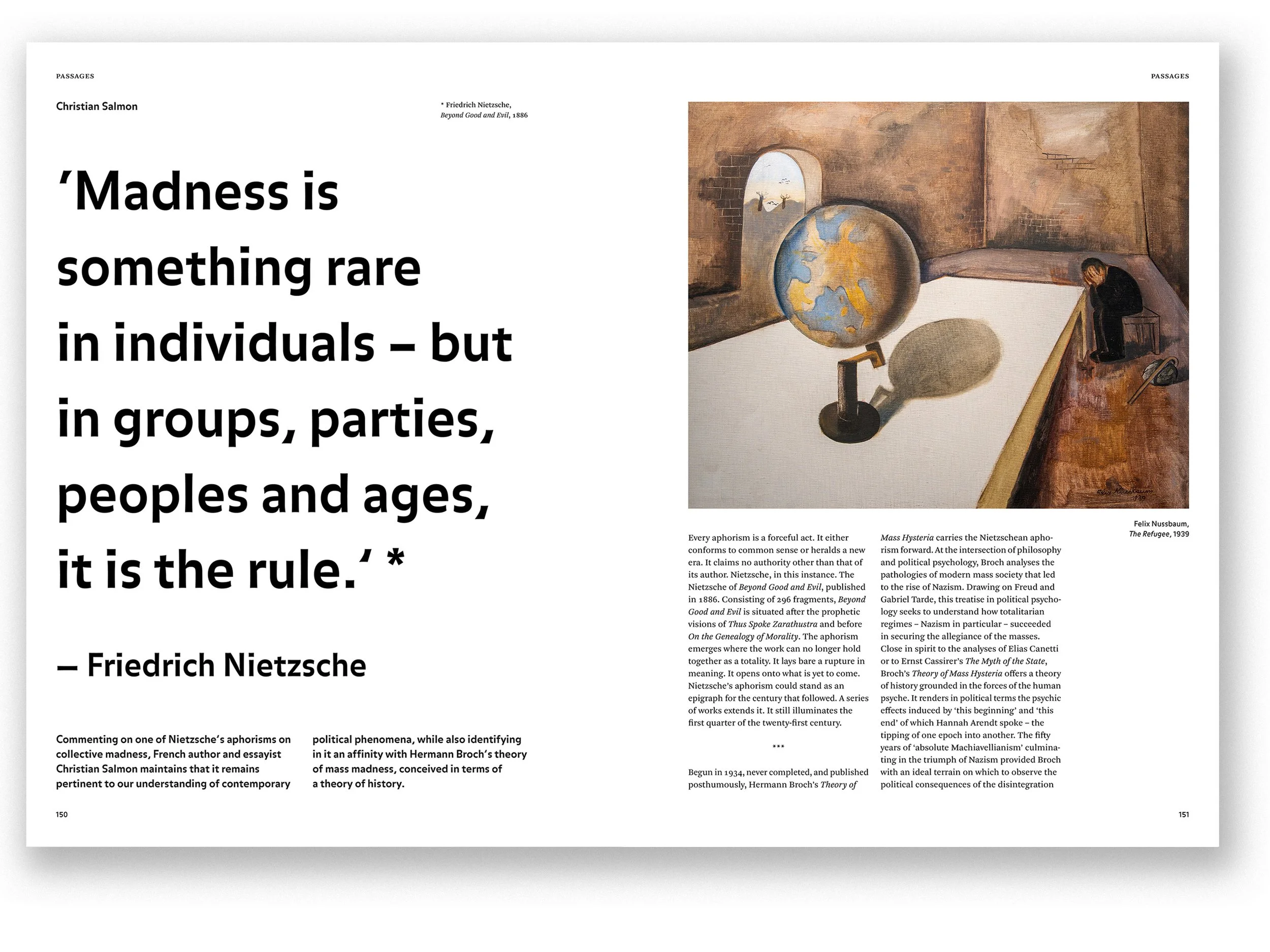
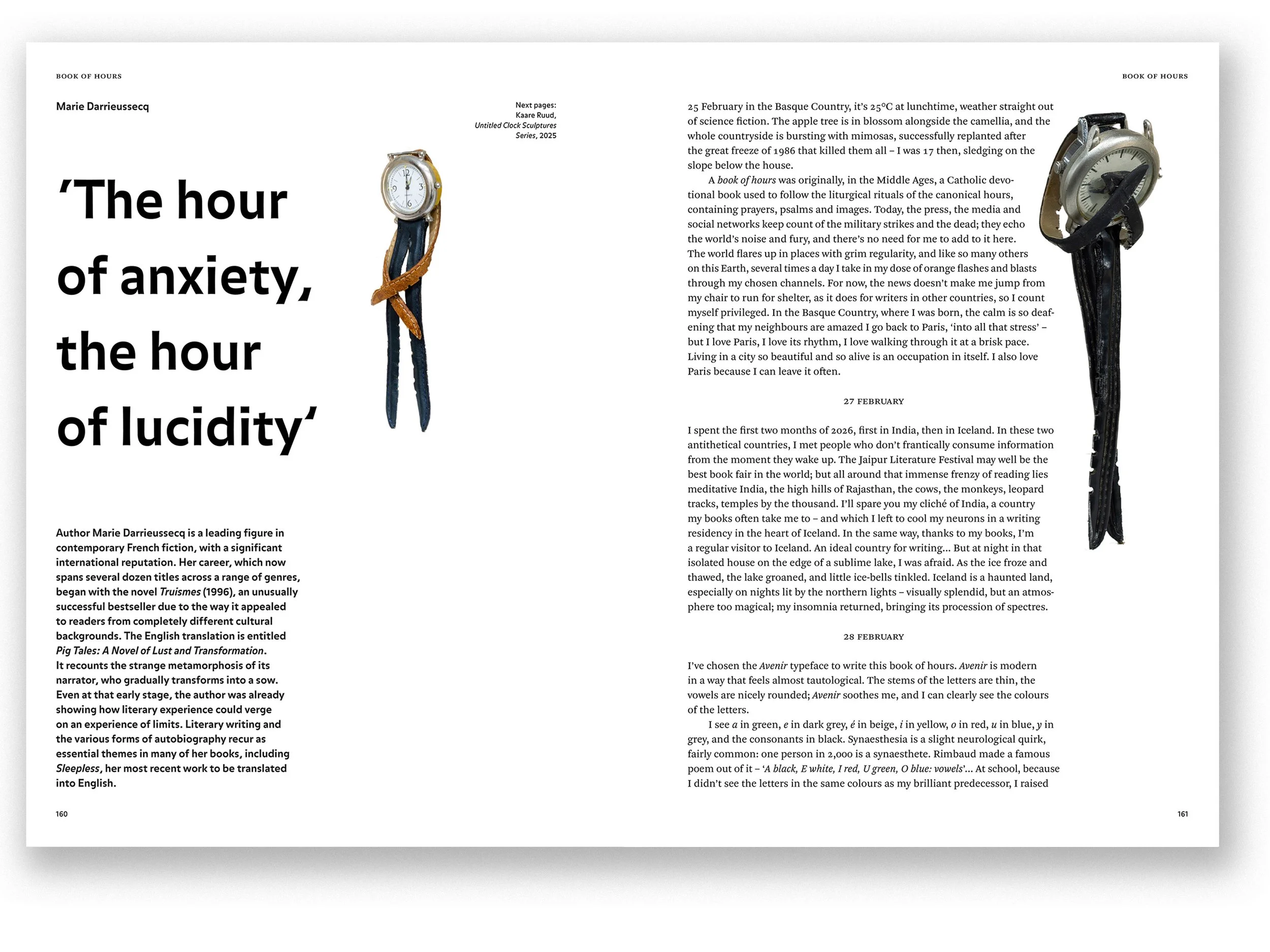
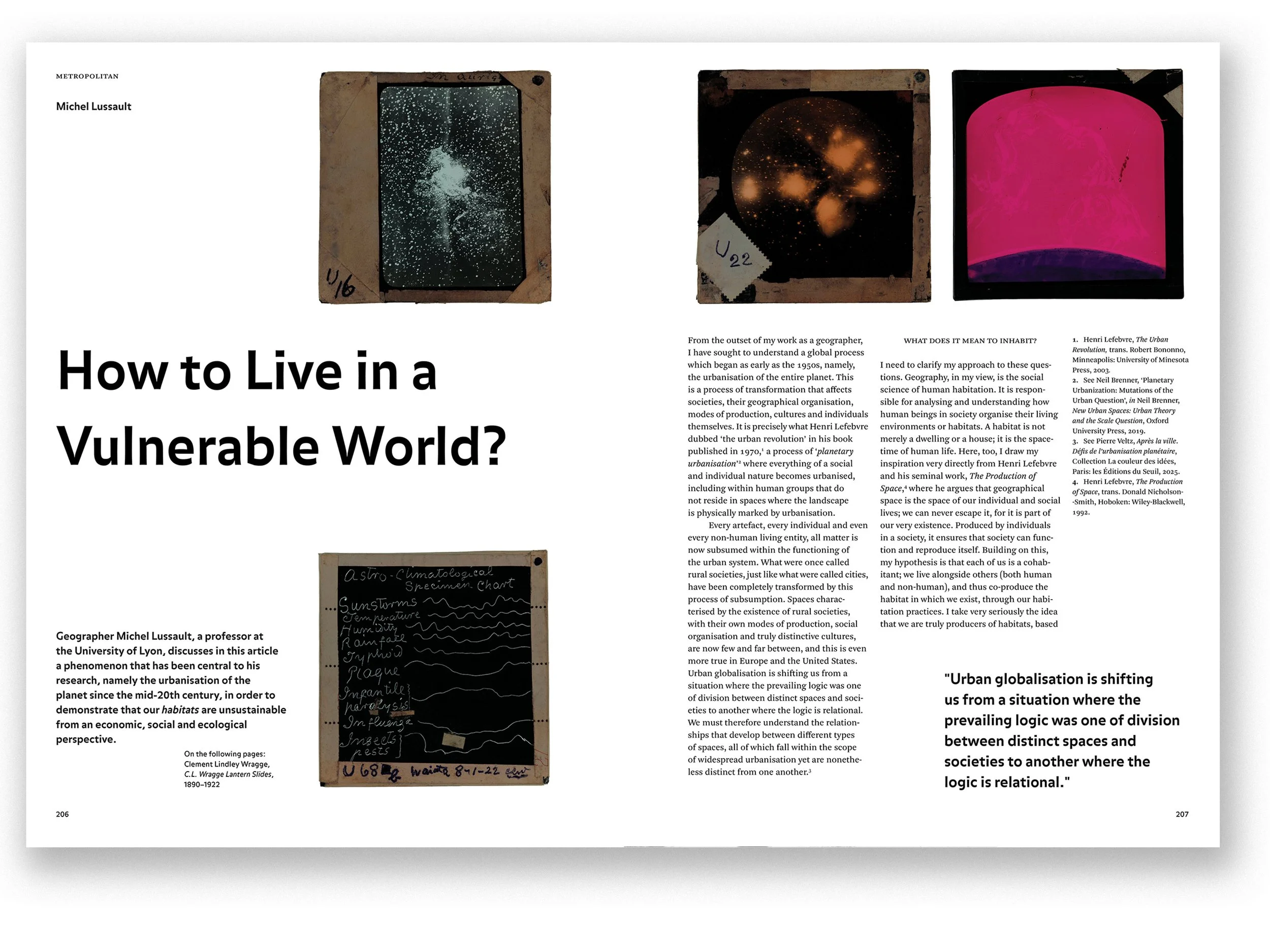
Also in this issue, writer Marie Darrieussecq, a leading figure in the current French fiction scene, publishes a diary interwoven with journeys and places, political unease and family memories, reflecting on the condition of being a writer and a woman; Italian critic Andrea Cortellessa revisits the singular figure of writer, painter, essayist, musician and composer Alberto Savinio, who is often presented as merely Giorgio de Chirico’s brother; writer and essayist Christian Salmon comments on an aphorism by Friedrich Nietzsche; geographer Michel Lussault examines planetary urbanisation and the environmental vulnerability of our habitats; and astrophysicist and journalist Sergio C. Fanjul writes about the word ‘dystopia’.
.
Softcover, 27 x 20 cm, 224 pages
—
..
A Electra dedica o dossier da edição 33 ao tema da “Psique”, interrogando a psicologização do mundo e da vida contemporânea. Num tempo em que a linguagem da psicologia se disseminou pela política, pela sociedade e pelo quotidiano, todos parecemos tornar-nos simultaneamente sujeitos e objectos de análise. Da sociologia das emoções e da cultura terapêutica ao diagnóstico das novas figuras autoritárias e à construção digital do sujeito, revela-se como esta psicologização é inseparável de uma mercantilização global e como produz efeitos profundos na sociedade, na política, na economia e na cultura. A partir de diferentes ângulos e da colaboração de vários autores como Avital Ronell, Ole Jacob Madsen, Sinziana Ravini, Fabrice Bourlez, Jan de Vos e Pedro Varandas, o dossier analisa e interpreta este sintoma fundamental da época em que vivemos.
Benjamin H. D. Buchloh, um dos críticos de arte mais respeitados do último meio século e uma das maiores referências sobre o trabalho de artistas como Gerhard Richter, Marcel Broodthaers ou Nancy Spero, conversa com Afonso Dias Ramos sobre os crescentes problemas que nascem de uma separação entre a prática crítica e a produção artística.
O portfólio deste número é da autoria de Anne-Mie Van Kerckhoven. Nele, apresenta-se uma série representativa da sua obra, na qual está presente a relação fundamental e interpeladora entre erotismo e tecnologia, olhada de um ponto de vista feminino. Tal relação é inseparável da reflexão crítica e inovadora que a artista belga tem desenvolvido sobre arte, ciência, política, sociedade, imagem e comunicação.
Na secção “Arca de Noé”, um ensaio escrito pelo jornalista Andrea Prada Bianchi dá-nos a conhecer a amizade entre o ditador fascista Benito Mussolini e o resistente antifascista Pietro Nenni, líder do Partido Socialista Italiano. Narrativa de um tempo convulsivo e perigoso, em que a vida e a morte se jogavam todos os dias, nela são retratados pessoas e acontecimentos que marcaram a história trágica do século XX.
Ainda nesta edição, a escritora Marie Darrieussecq, nome cimeiro no actual panorama francês da ficção narrativa, publica um diário atravessado por viagens e lugares, pela inquietação política e pela memória familiar, pela condição de escritora e pela condição de mulher; o crítico italiano Andrea Cortellessa revisita a figura do singular escritor, pintor, ensaísta, músico e compositor Alberto Savinio, com frequência apresentado apenas como o irmão de Giorgio de Chirico; o escritor e ensaísta Christian Salmon comenta um aforismo de Friedrich Nietzsche; o geógrafo Michel Lussault trata da urbanização do planeta e da vulnerabilidade e insustentabilidade dos nossos habitats; e o astrofísico e jornalista Sergio C. Fanjul escreve sobre a palavra “Distopia”.
Capa mole, 27 x 20 cm, 224 páginas
—
....
“....Now after the psychological revolution we have all become psychologists. ..Agora, depois da revolução psicológica, tornámo-nos todos psicólogos. ....”
“....Our tyrants will never lay down on the couch. That is the true tragedy of our times, of all times for that matter. ..Os nossos tiranos nunca se deitarão no divã. Essa é a verdadeira tragédia do nosso tempo ou, diga-se de passagem, de todos os tempos. ....”
“....Information drives out narrative just as the present drives out memory. It informs without transforming. ..A informação expulsa a narrativa, tal como a actualidade expulsa a memória. Informa sem transformar. ....”
-
....
Director / José Manuel dos Santos
Editor / António Guerreiro
Published by Fundação EDP
Summer 2026Softcover, 27 x 20 cm, 224 pages
ISBN 9789893680735..
Director / José Manuel dos Santos
Editor / António Guerreiro
Publicado por Fundação EDP
Verão 2026
Capa mole, 27 x 20 cm, 224 páginas
ISBN 9789893680742....



....
3 Issues + 1 Free (1 Year)
Subscription is valid from the next or current issue only.
Choose your option below.
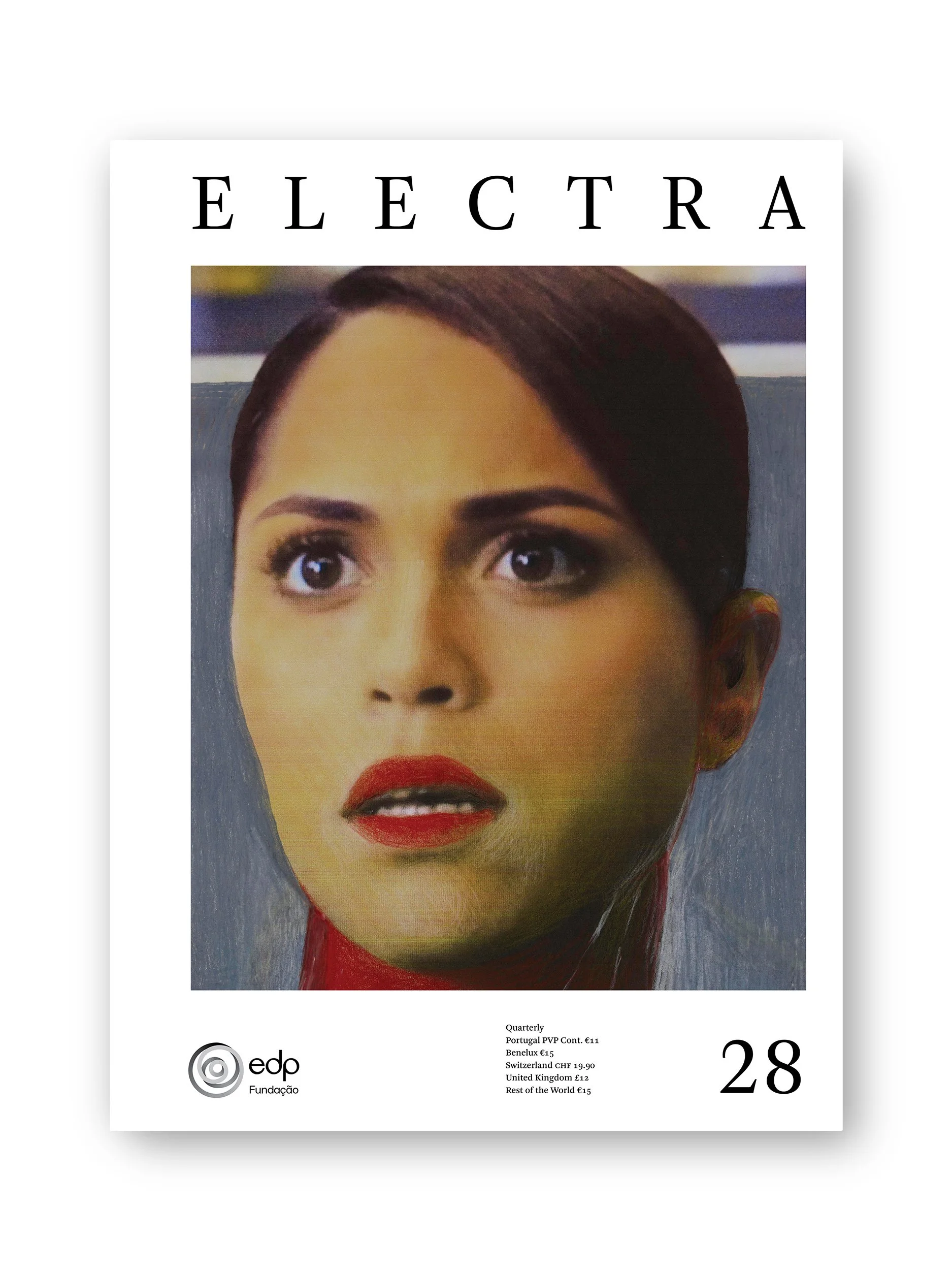
Electra is an international periodical dedicated to all areas of culture, promoting dialogue between different artistic disciplines, humanistic knowledge and science, cultural theories and practices.
Have Electra at your address!
..
3 Títulos + 1 Grátis (1 Ano)
Envios Gratuitos para Portugal
Assinaturas começam no título seguinte ou corrente.
Escolha a opção que pretende abaixo.
Electra é uma revista internacional de crítica e reflexão cultural, social e política, dedicada às diversas áreas da cultura, promovendo diálogos e oscilações de fronteiras entre disciplinas artísticas, saberes humanísticos e ciência, entre teorias e práticas culturais.
Receba a Electra em sua casa!
....