
....Electra 31 / Colour ..Electra 31 / A cor....
....Electra 31 / Colour ..Electra 31 / A cor....
....
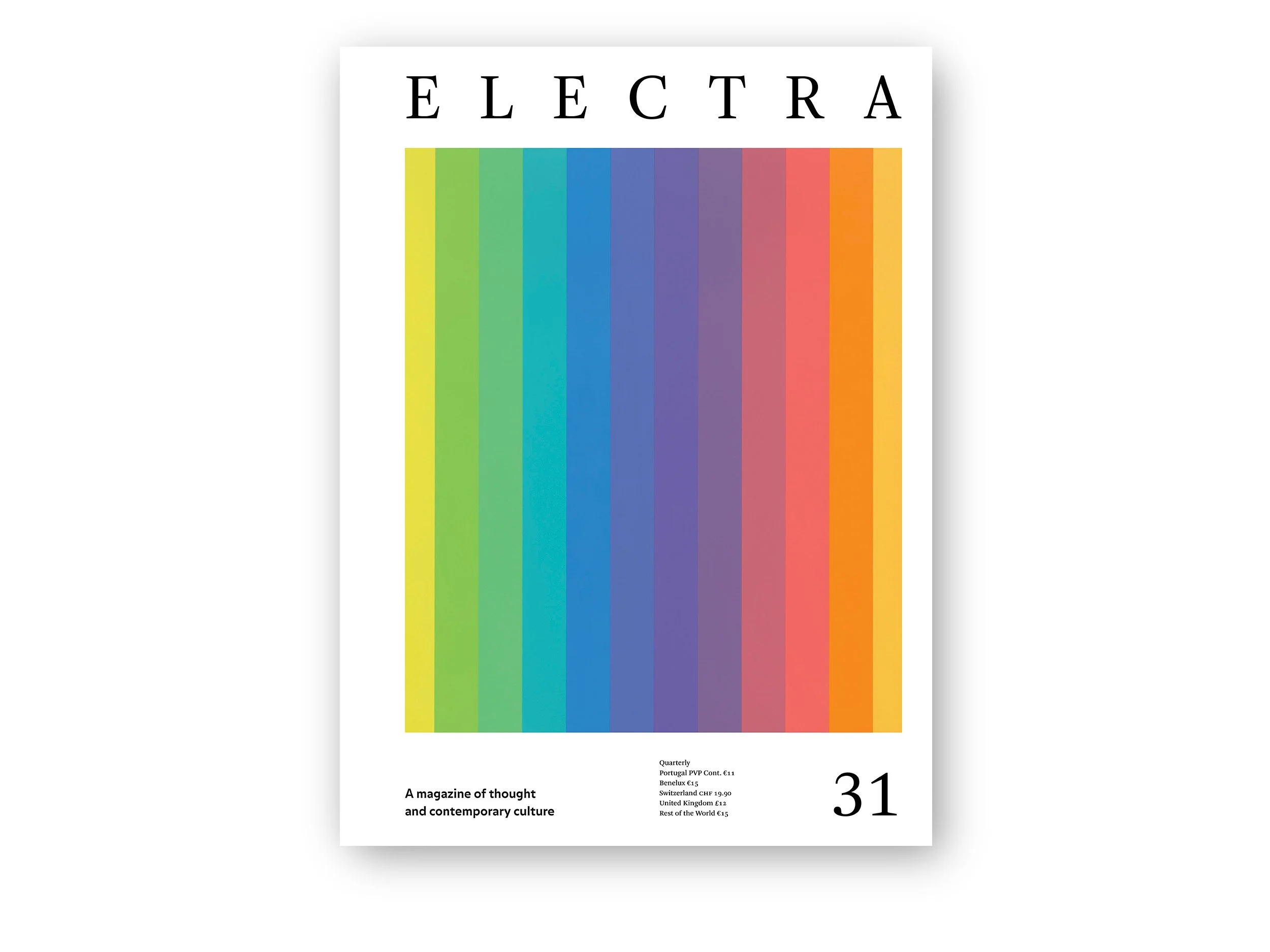
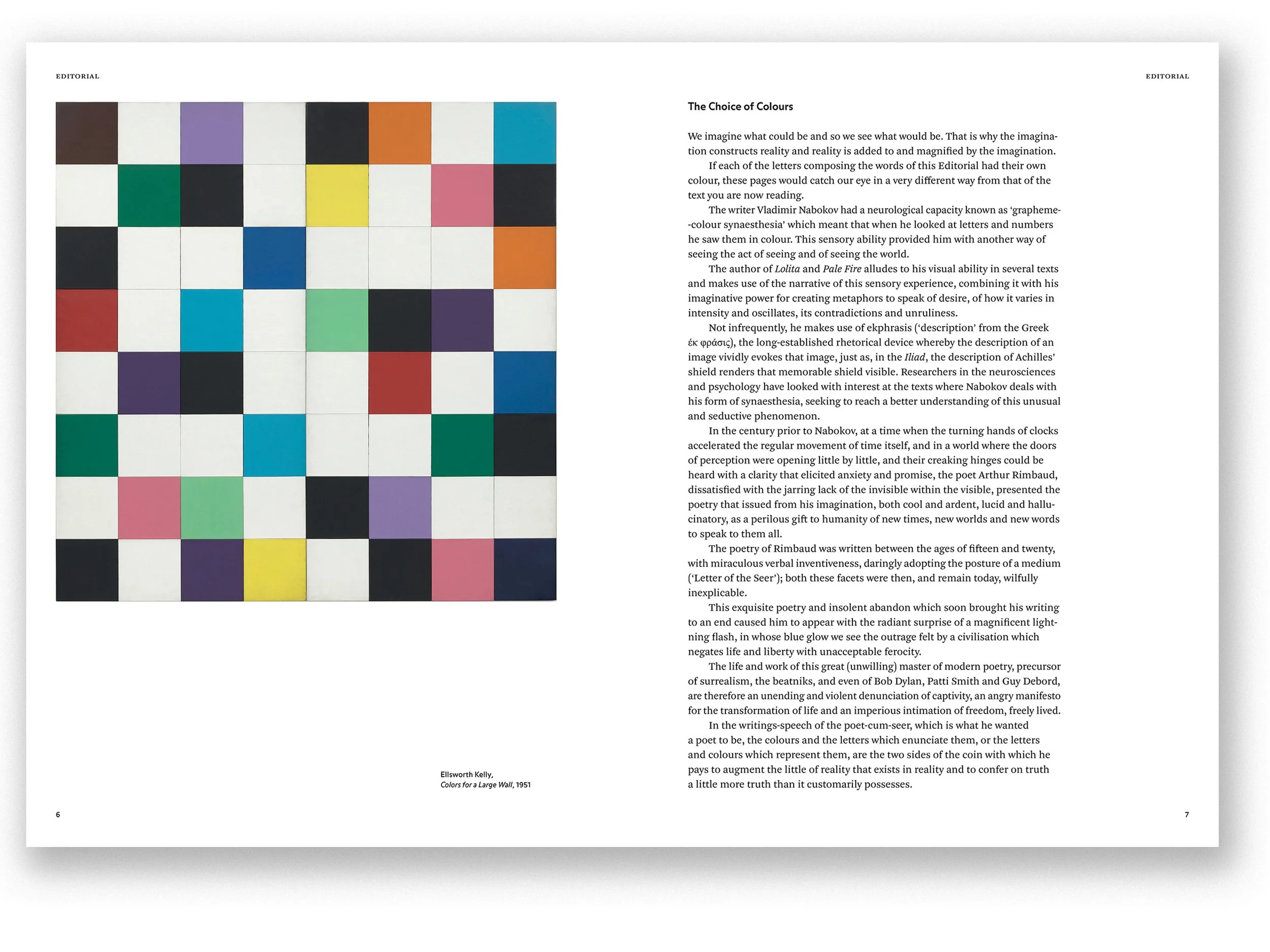
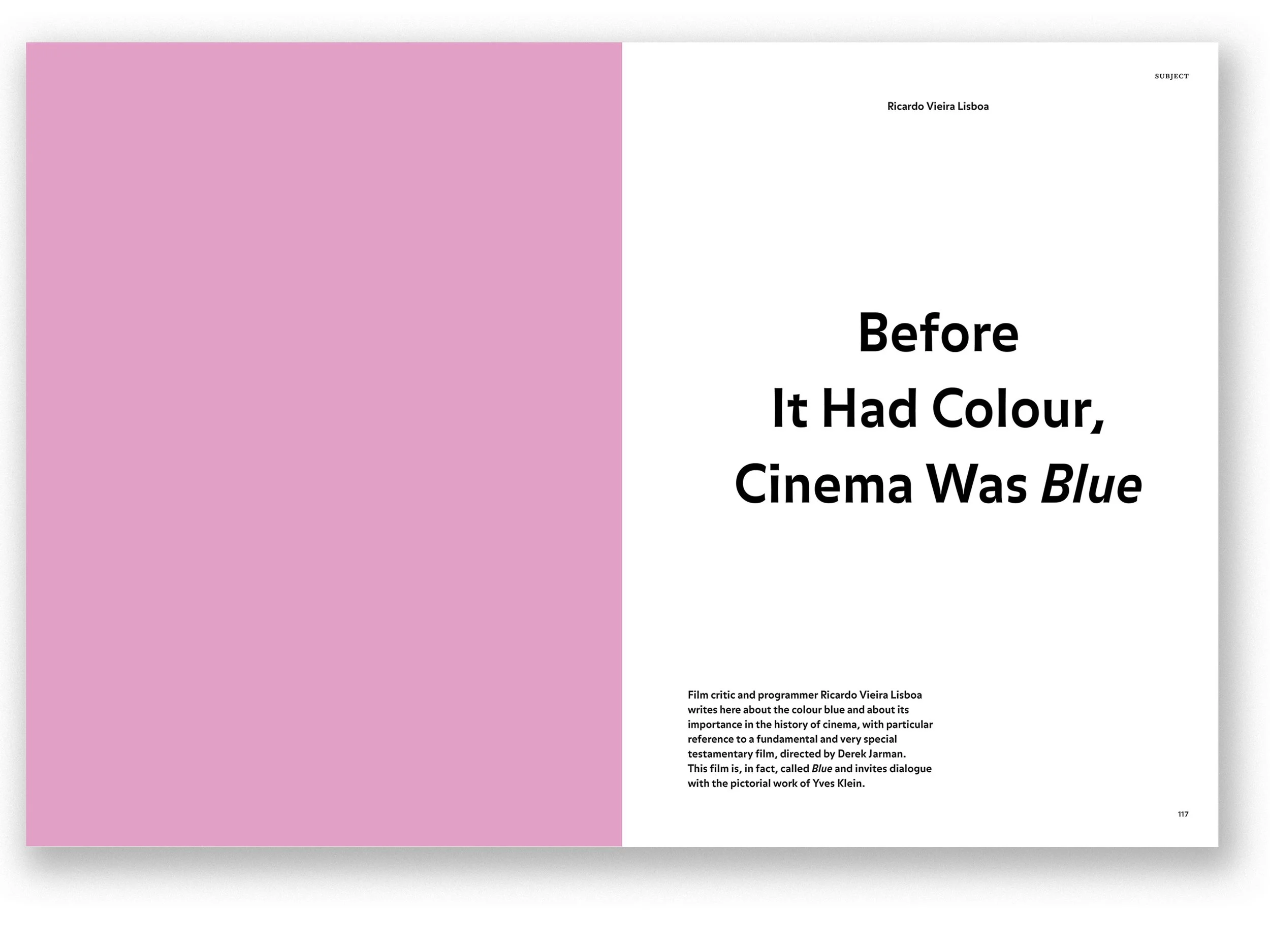
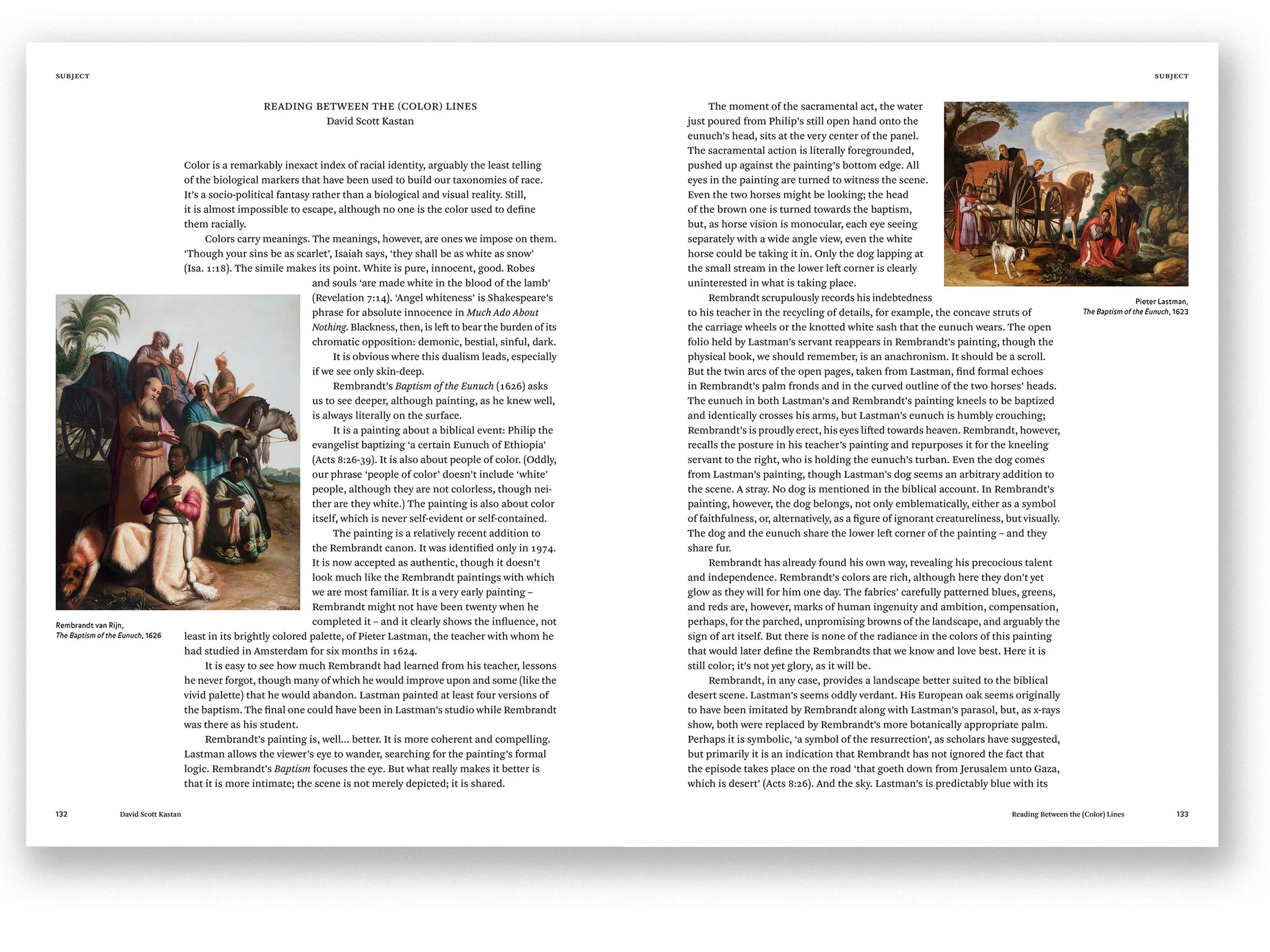
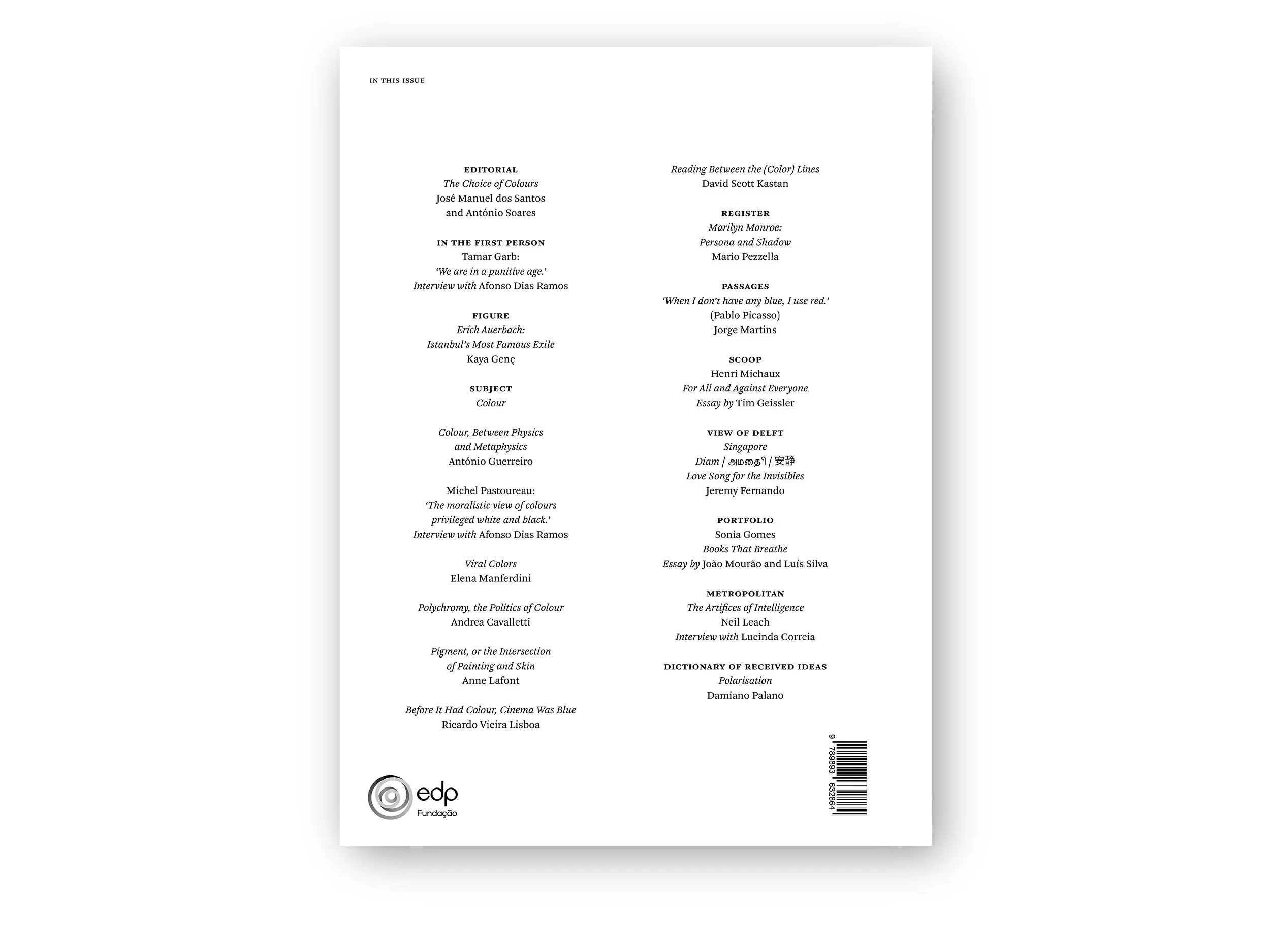
What is colour? What are colours like? How do we see colours? What is the colour of our time? Colour is the central theme of Electra's 31st issue. It imposes itself on our vision with almost irrefutable evidence, yet remains shrouded in mystery. Far from being a property of objects, it is rather a question of perception resulting from light, present in all dimensions of human experience. From art to architecture, from design to politics, colour permeates practices, discourses, and cultures, conveying symbolism and codes that vary across time and space, geography and chronology. Neither science nor empirical knowledge can fully explain it, marked as it is by tensions between chromophilia and chromophobia, exuberance and sobriety. This ‘Subject’, enriched by perspectives from different disciplinary fields, brings together contributions from Michel Pastoureau, Elena Manferdini, Andrea Cavalletti, Anne Lafont, Ricardo Vieira Lisboa, David Scott Kastan, and António Guerreiro.
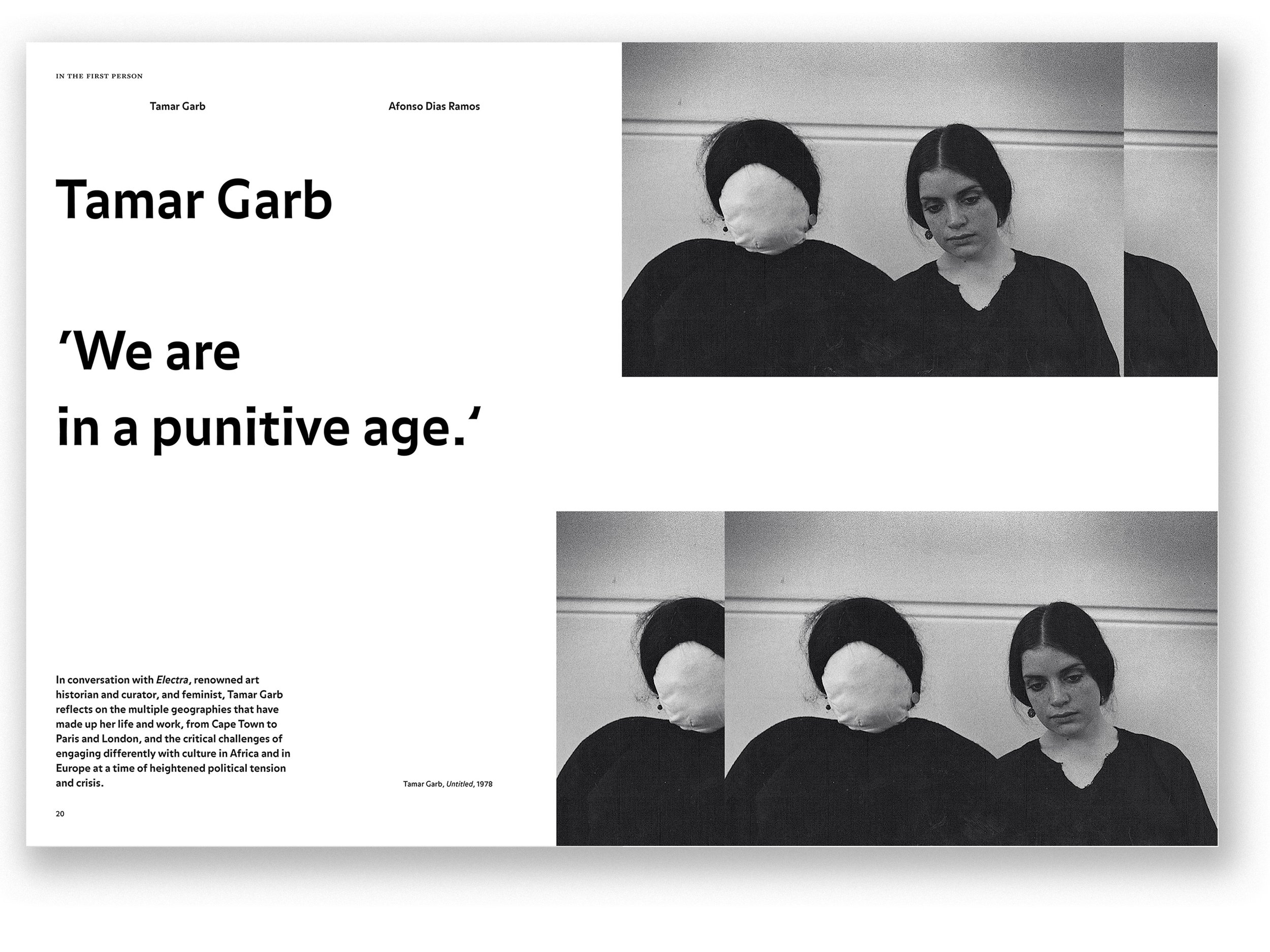
The renowned curator, art historian, and feminist Tamar Garb is interviewed by Afonso Dias Ramos for the ‘In the First Person’ section. In this conversation, held in Lisbon, she reflects on the multiple geographies that have shaped her life and work, from Cape Town to Paris and London, and on the challenge of different ways of looking at culture across Africa and Europe in times of great tension and political instability.
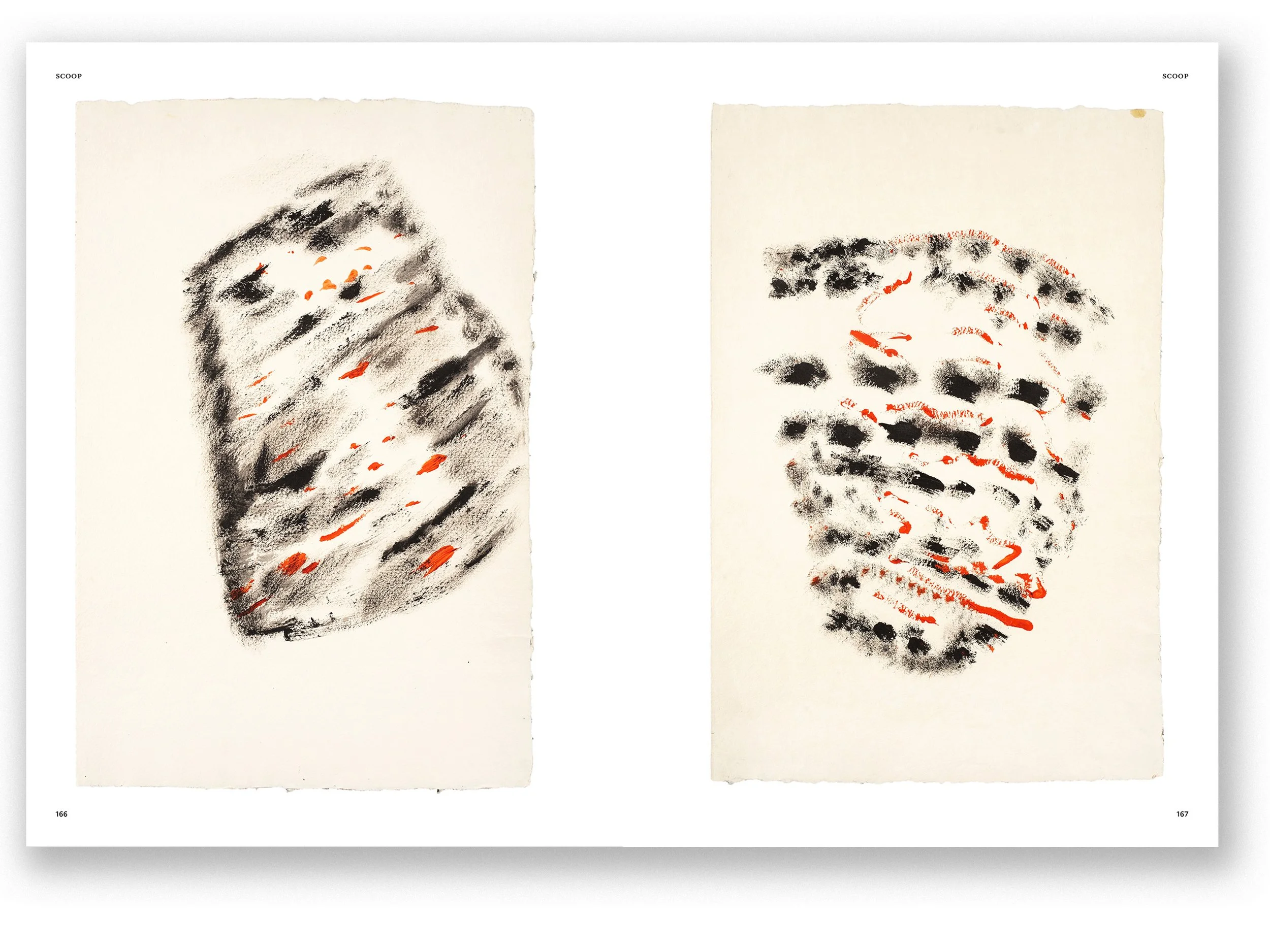
This issue of Electra also features as yet unpublished works by the great writer, poet, and visual artist Henri Michaux. A leading figure in 20th-century European intellectual scene, he was the author of works of inexhaustible originality, combining surprisingly different types of knowledge and wisdom, genres and disciplines. The important drawings featured in this edition, which are part of his Archive, are presented in a text by curator Tim Geissler.
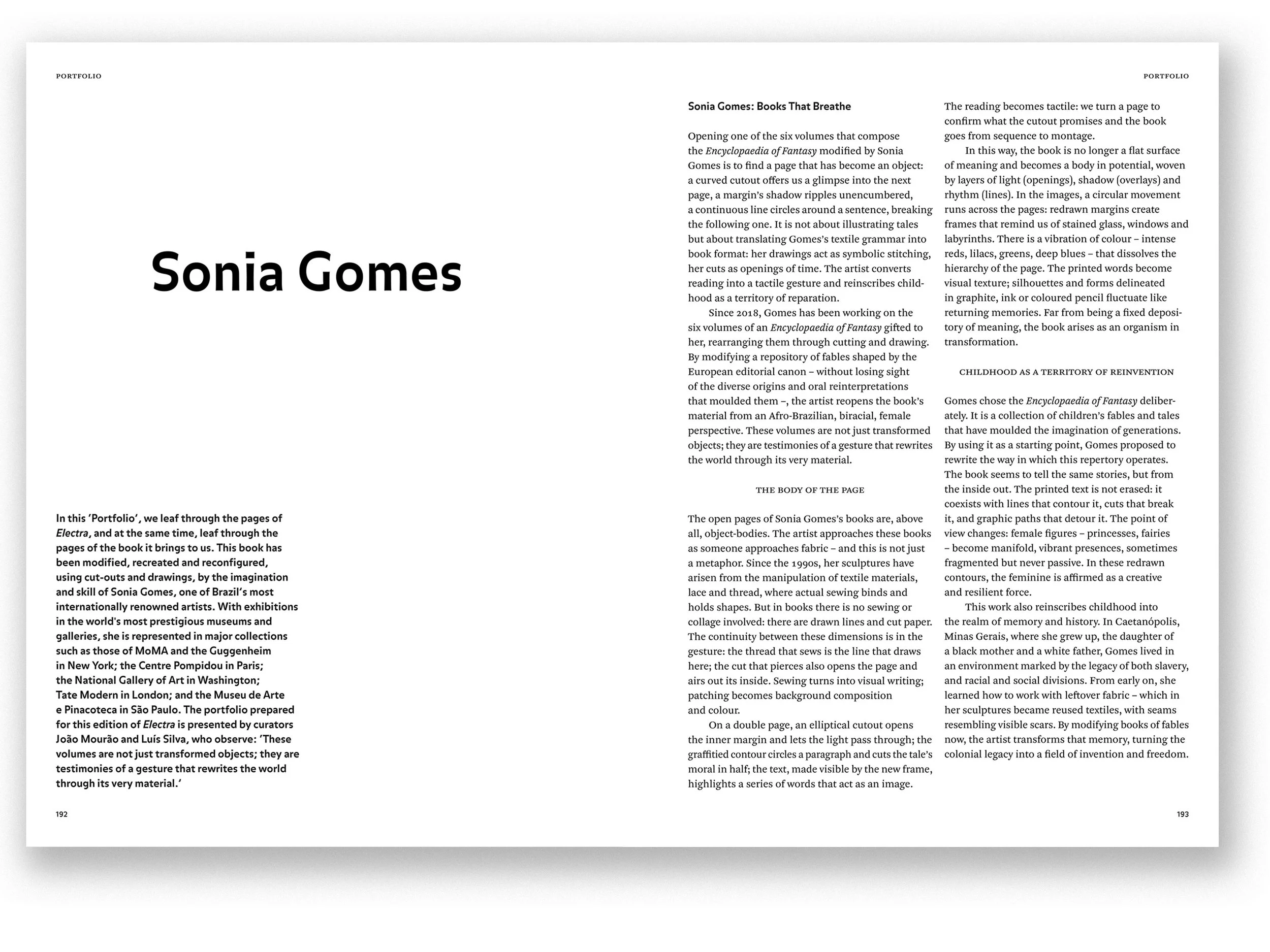
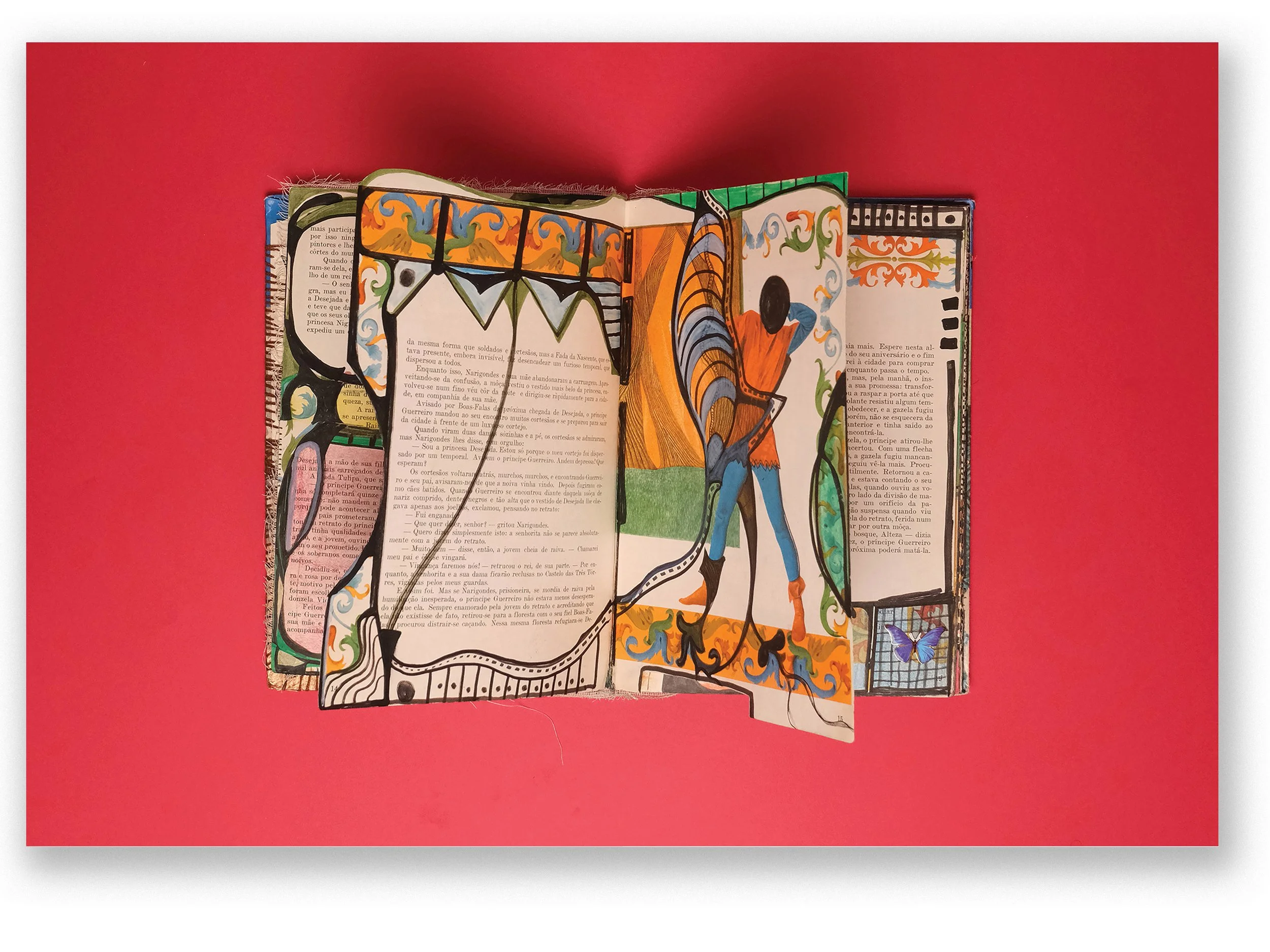
In the ‘Portfolio’ section, we leaf through the pages of Electra and, at the same time, through the pages of a book intervened and recreated by the imagination and wisdom of Sonia Gomes, one of Brazil's most internationally renowned artists. This work is presented by curators João Mourão and Luís Silva.
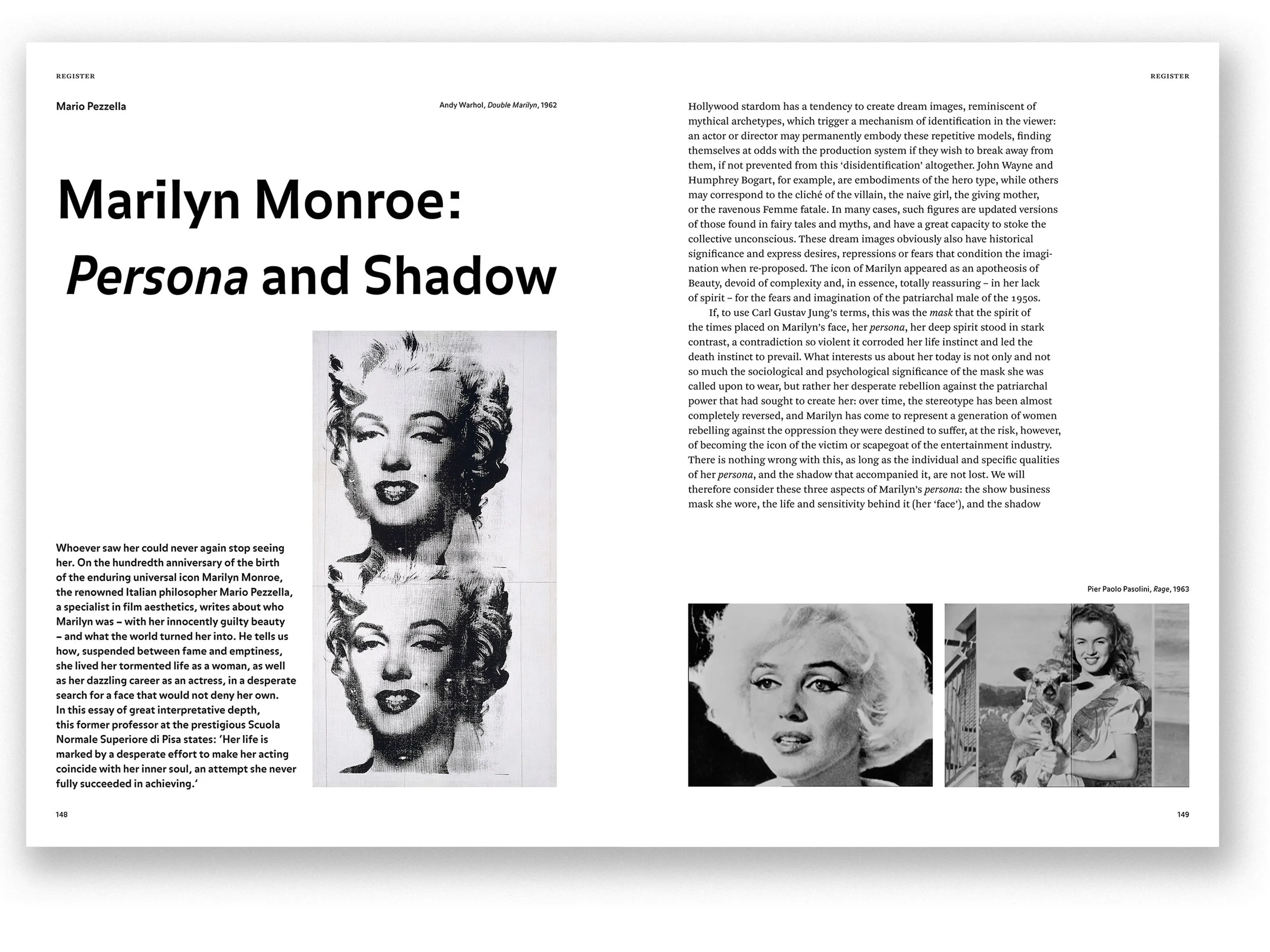
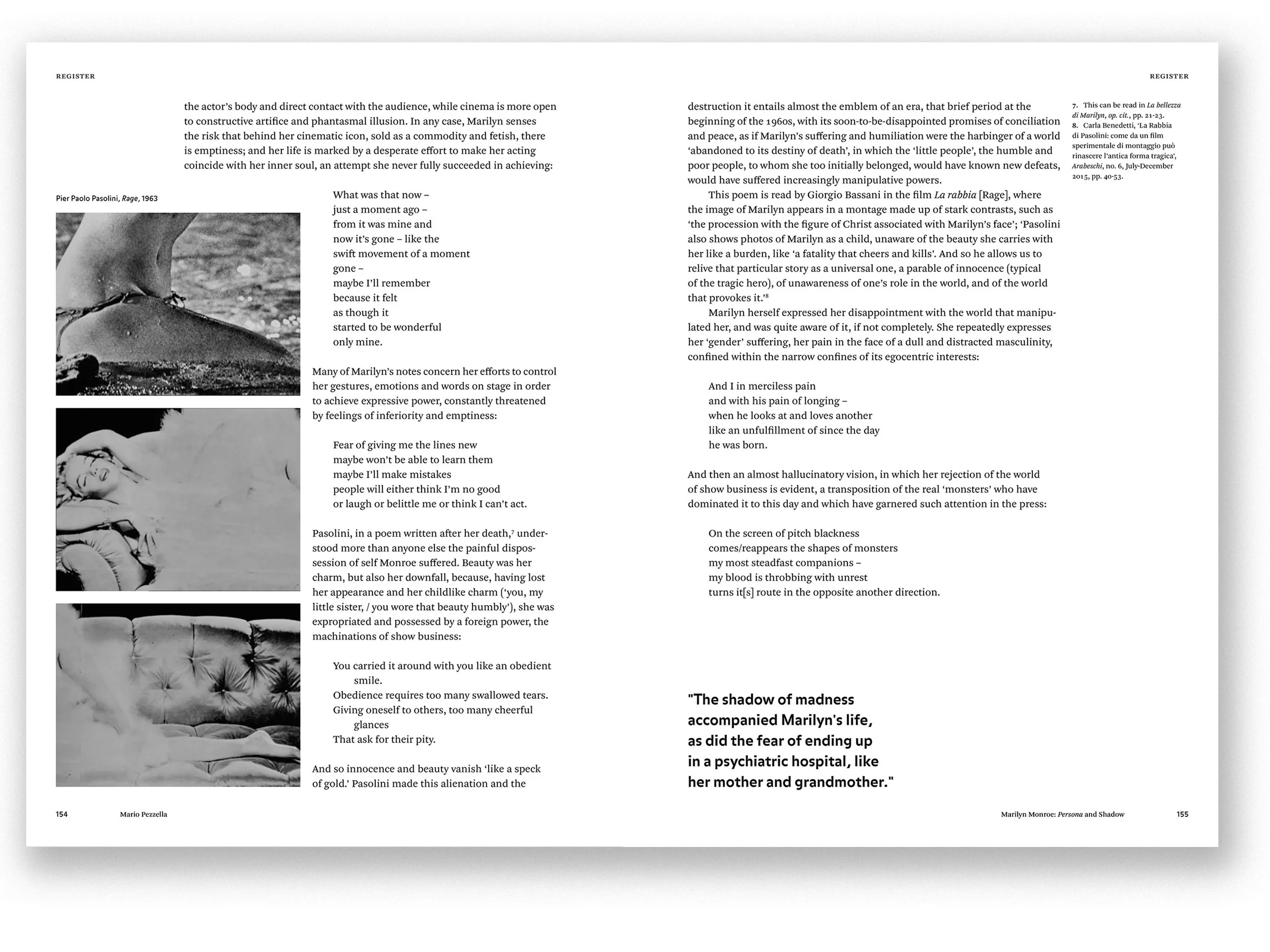
On the hundredth anniversary of the birth of Marilyn Monroe, a universal and enduring icon, the renowned Italian philosopher Mario Pezzella, a specialist in film aesthetics, writes an essay of great interpretative depth on what Marilyn was, with her innocent and guilty beauty, and what the world made her. He recounts how Monroe lived her tormented life as a woman, between fame and emptiness, and her dazzling career as an actress.
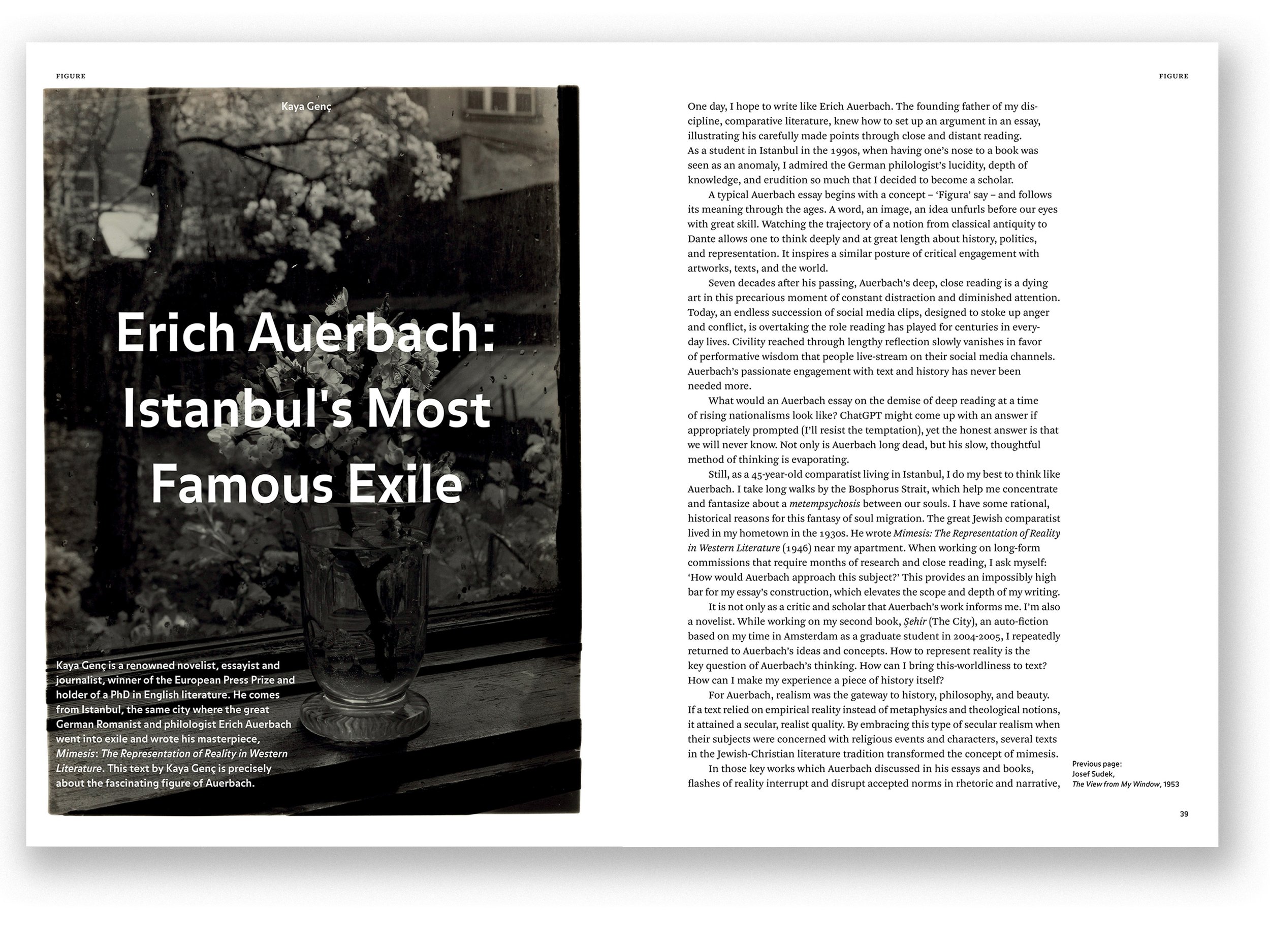
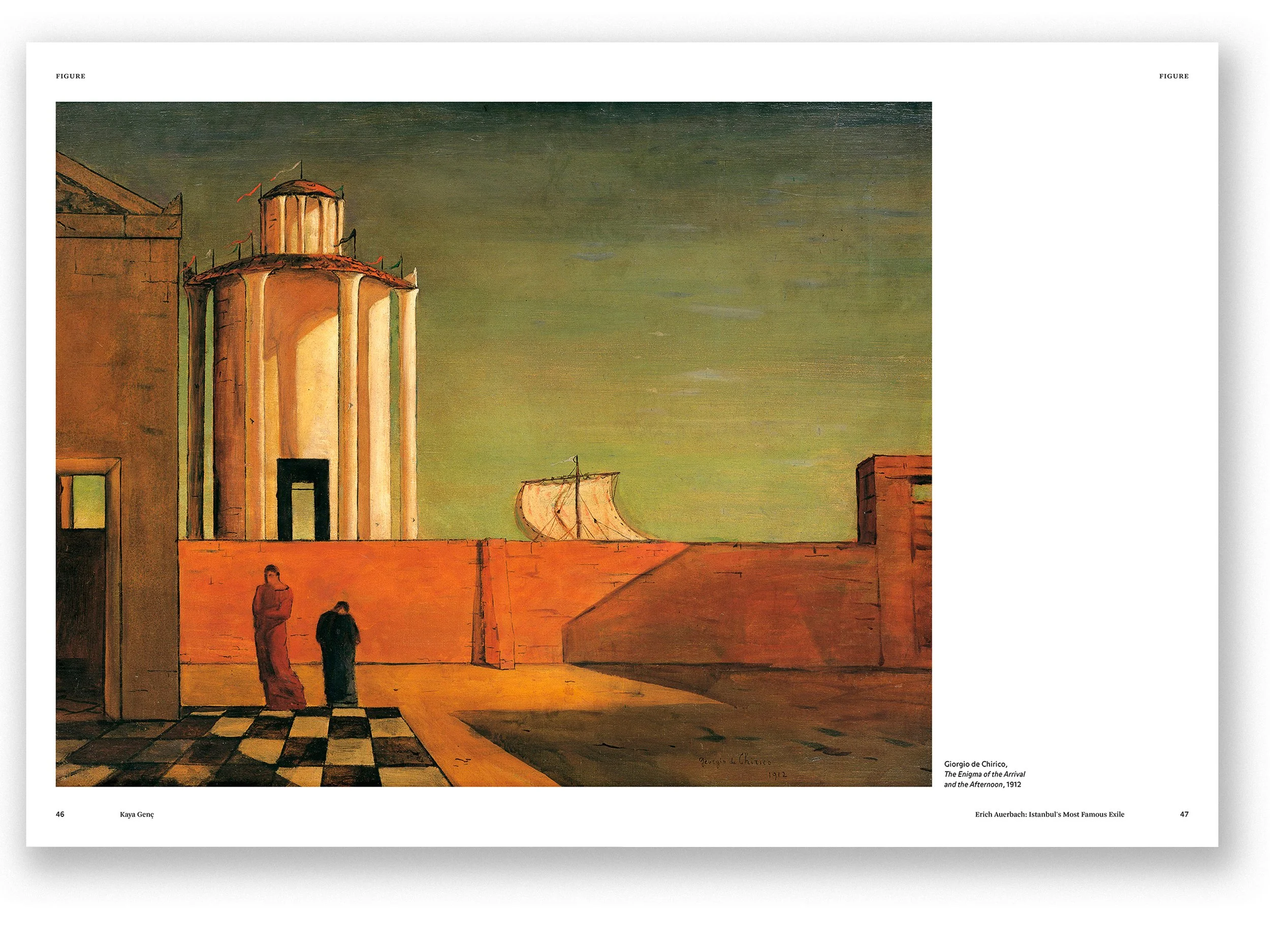
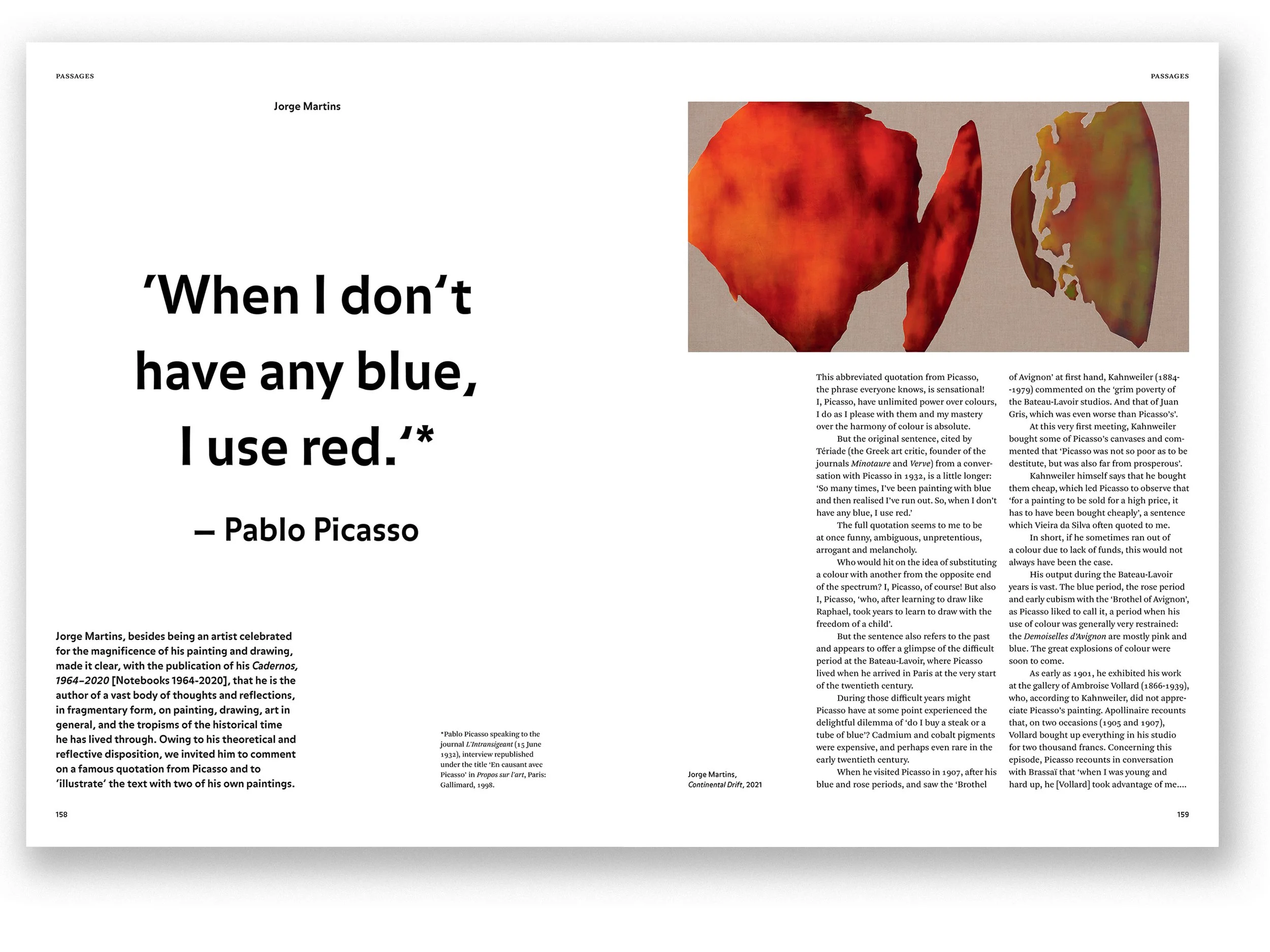
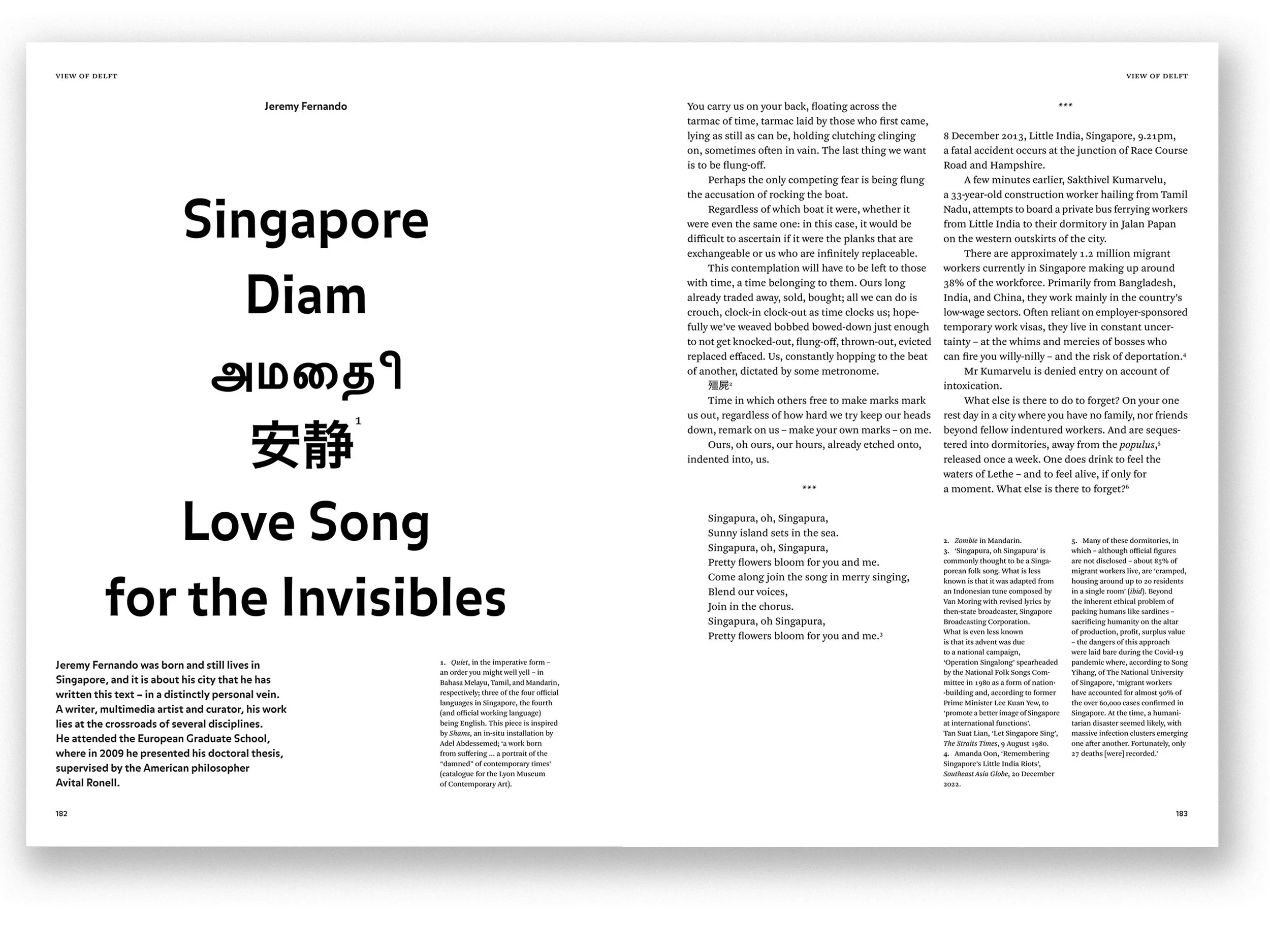
This issue also features an interview with architect Neil Leach, conducted by Lucinda Correia, in which they discuss architecture in the age of artificial intelligence and reflect on the future of cities; Turkish novelist and journalist Kaya Genç writes about the fascinating figure of German philologist Erich Auerbach and his masterpiece, Mimesis: The Representation of Reality in Western Literature, written in Istanbul; renowned Portuguese artist Jorge Martins comments on a famous quote by Pablo Picasso; writer, multimedia artist, and curator Jeremy Fernando writes, in a very personal tone, about his hometown, Singapore; and professor Damiano Palano offers a reflection on the word ‘Polarisation’.
.
Softcover, 27 x 20 cm, 241 pages
—
..
O que é a cor? Como são as cores? Como vemos as cores? Qual é a cor do nosso tempo? A cor é o tema do dossier do número 31 da Electra. Ela impõe-se à nossa visão com uma evidência quase irrefutável e, ainda assim, permanece envolta em enigmas. Longe de ser uma propriedade dos objectos, é antes uma perceção resultante da luz, presente em todas as dimensões da experiência humana. Da arte à arquitectura, do design à política, a cor atravessa práticas, discursos e culturas, transportando simbolismos e códigos que variam no tempo e no espaço, na geografia e na cronologia. Nem a ciência nem o saber empírico esgotam a sua compreensão, marcada por tensões entre cromofilia e cromofobia, exuberância e sobriedade. Este “Assunto”, enriquecido por perspectivas de diferentes campos disciplinares, reúne os contributos de Michel Pastoureau, Elena Manferdini, Andrea Cavalletti, Anne Lafont, Ricardo Vieira Lisboa, David Scott Kastan e António Guerreiro.
Tamar Garb, a reconhecida curadora e historiadora de arte, e feminista, é entrevistada por Afonso Dias Ramos para a secção “Primeira Pessoa”. Nesta conversa, realizada em Lisboa, ela reflecte sobre as múltiplas geografias que traçaram a sua vida e trabalho, da Cidade do Cabo até Paris e Londres, e o desafio de encarar a cultura em África e na Europa de outras formas, em tempos de grande tensão e instabilidade política.
Este número da Electra revela também obras inéditas do grande escritor, poeta e artista visual Henri Michaux. Figura capital da vida intelectual europeia do século XX, autor de uma obra de inesgotável originalidade, que liga, surpreendentemente, saberes e sabedorias, géneros e disciplinas diferentes. Os importantes desenhos dados a conhecer nesta edição, e que integram o seu Arquivo, são apresentados por um texto do curador Tim Geissler.
Na secção “Portfolio”, folheamos as páginas da Electra e folheamos, ao mesmo tempo, as páginas de um livro intervencionado e recriado pela imaginação e a sabedoria de Sonia Gomes, uma das artistas brasileiras com maior projecção internacional. Este trabalho é apresentado pelos curadores João Mourão e Luís Silva.
Nos cem anos do nascimento de Marilyn Monroe, ícone universal perpétuo, o conceituado filósofo italiano Mario Pezzella, especialista de estética do cinema, escreve um ensaio de grande profundidade interpretativa sobre o que Marilyn, com a sua inocente beleza culpada, era e no que o mundo a tornou. E diz-nos como ela, entre a fama e o vazio, viveu a sua atormentada vida de mulher e a sua fulgurante carreira de actriz.
Ainda nesta edição é publicada uma entrevista ao arquitecto Neil Leach, conduzida por Lucinda Correia, onde se fala de arquitectura na era da inteligência artificial e se reflecte sobre o futuro das cidades; o romancista e jornalista turco Kaya Genç assina um texto sobre a fascinante figura do filólogo alemão Erich Auerbach e a sua obra-prima, Mimesis: A Representação da Realidade na Literatura Ocidental, escrita em Istanbul; o consagrado artista português Jorge Martins comenta uma famosa frase de Pablo Picasso; o escritor, artista multimédia e curador Jeremy Fernando escreve, num registo muito pessoal, sobre a sua cidade natal, Singapura; e o professor catedrático Damiano Palano propõe uma reflexão sobre a palavra “Polarização”.
Capa mole, 27 x 20 cm, 241 páginas
—
....
“....We are in a punitive age, which is extremely dangerous. Not only will rights be removed, but those previously marginalised groups will be punished for the rights they gained. ..Nós vivemos numa era punitiva, o que é extremamente perigoso. Não só os direitos serão removidos, como os grupos anteriormente marginalizados serão punidos pelos direitos que conquistaram. ....”
“....I am firm believer in the future of yellow. ..Acredito convictamente no futuro do amarelo. ....”
“....Political colour is the colour of limited sharing, it is the eye-catching manifestation of a secrecy, of that which unites while separating, that is, the flag and, indeed, the uniform. Ideas without words will never suffice without their colourful mask. ..A cor política é a cor de uma partilha limitada, é o aspecto garrido do segredo, daquilo que une enquanto separa, ou seja, da bandeira e, precisamente, da divisa. As ideias sem palavras nunca prescindirão da sua máscara cromática. ....”
“....Color has neuroaesthetic power. It triggers the release of dopamine, the brain’s feel good chemical. ..A cor tem um poder neuroestético capaz de desencadear a libertação de dopamina, o químico cerebral da sensação de bem-estar. ....”
-
....
Director / José Manuel dos Santos
Editor / António Guerreiro
Published by Fundação EDP
Winter 2026Softcover, 27 x 20 cm, 241 pages
ISBN 9789893632864..
Director / José Manuel dos Santos
Editor / António Guerreiro
Publicado por Fundação EDP
Inverso 2026
Capa mole, 27 x 20 cm, 241 páginas
ISBN 9789893632857....

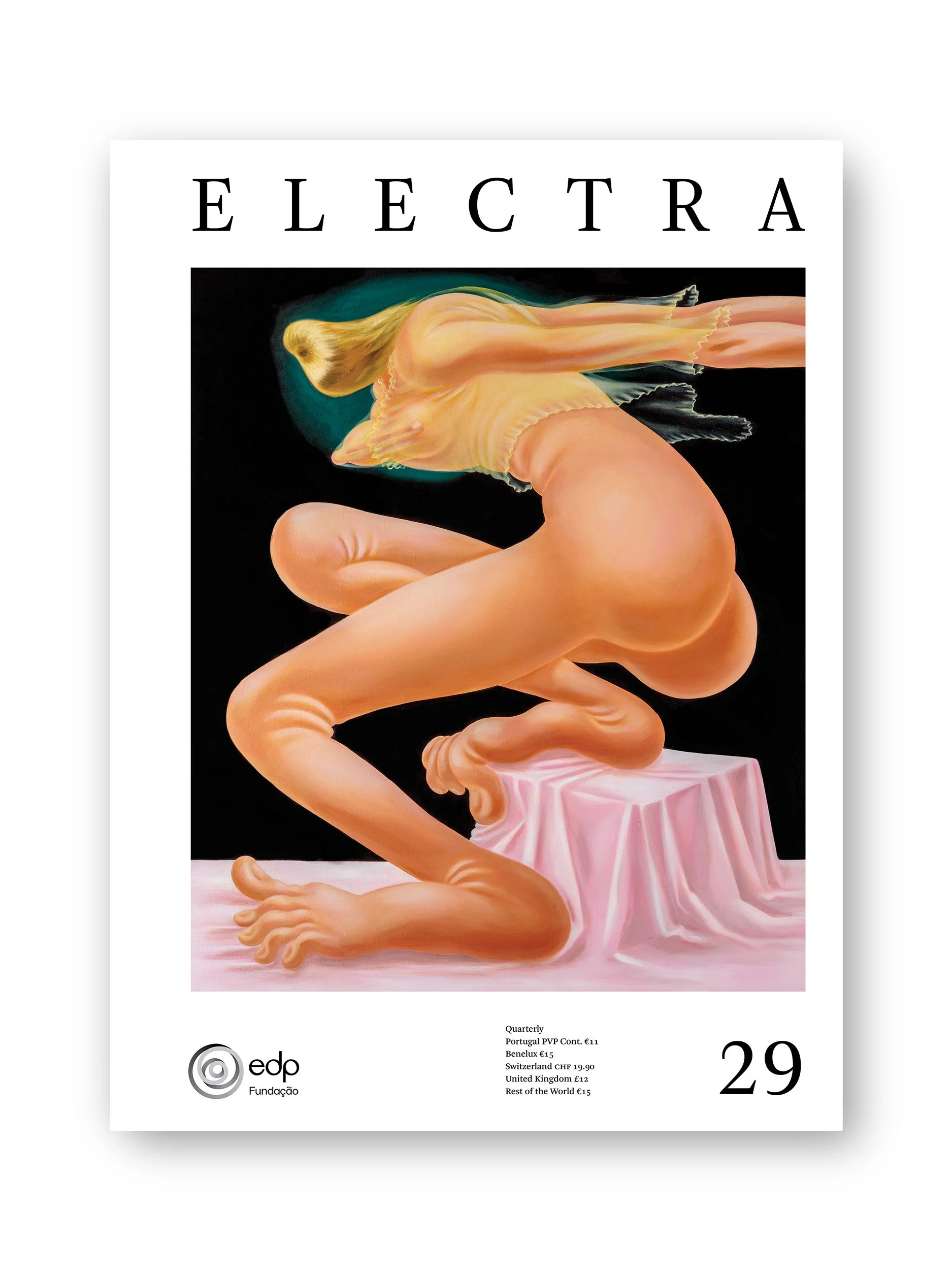
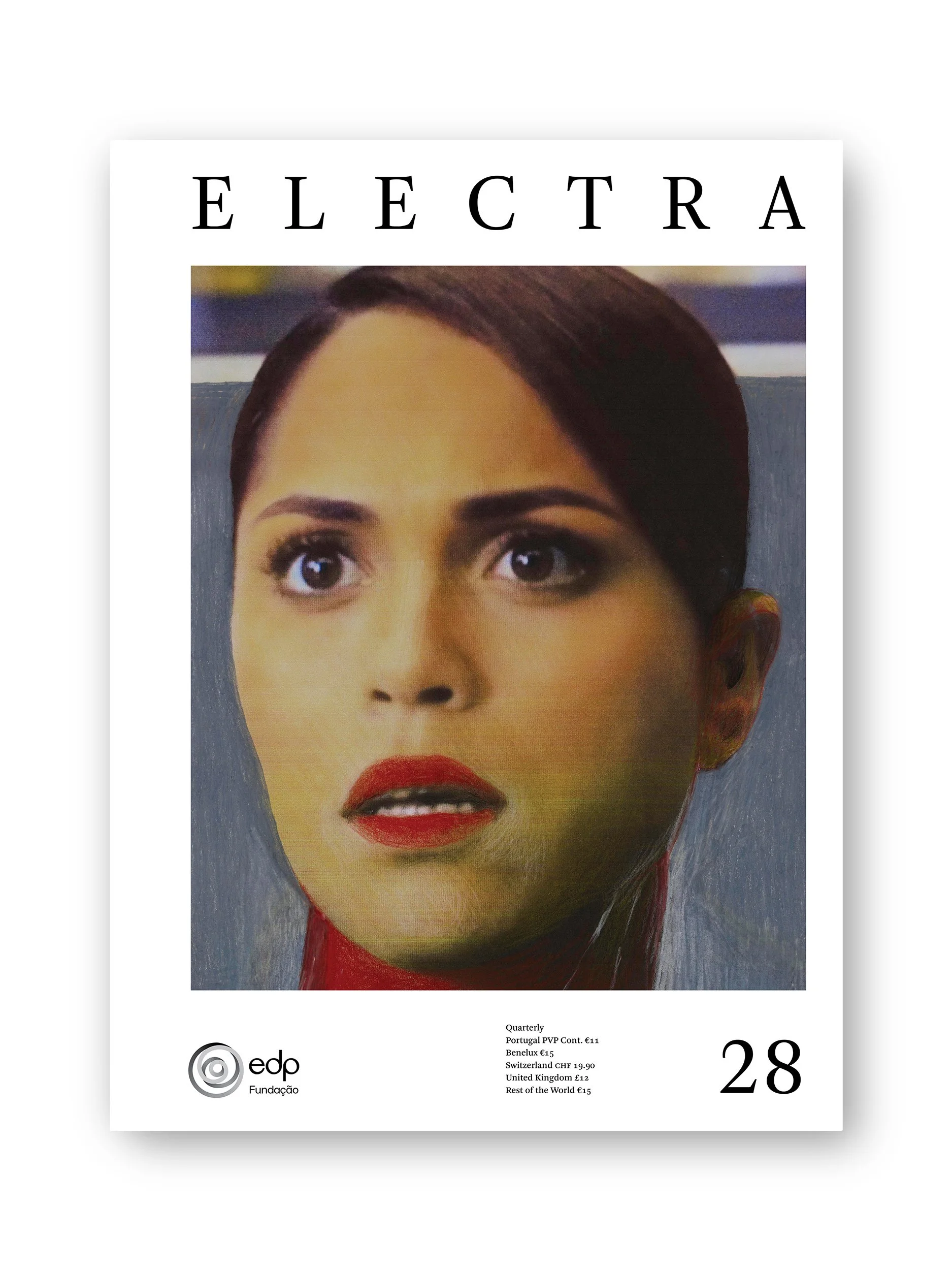


....
3 Issues + 1 Free (1 Year)
Subscription is valid from the next or current issue only.
Choose your option below.
Electra is an international periodical dedicated to all areas of culture, promoting dialogue between different artistic disciplines, humanistic knowledge and science, cultural theories and practices.
Have Electra at your address!
..
3 Títulos + 1 Grátis (1 Ano)
Envios Gratuitos para Portugal
Assinaturas começam no título seguinte ou corrente.
Escolha a opção que pretende abaixo.
Electra é uma revista internacional de crítica e reflexão cultural, social e política, dedicada às diversas áreas da cultura, promovendo diálogos e oscilações de fronteiras entre disciplinas artísticas, saberes humanísticos e ciência, entre teorias e práticas culturais.
Receba a Electra em sua casa!
....